
2017年5月27日土曜日

2017年5月6日土曜日
Sendai 3.11 Memorial Community Center and 2017 Sendai Symposium for Risk Reducation and Future

Today, March
12th 2017, a day and 6 years after the Great East Japan Earthquake
and Tsunami had destroyed many lives and their living in most Tohoku region of
Japan. In order to prepare for the future coming disaster, the Disaster
prevention forum was held every year in Sendai. The forum was showcase of
milestones which have been done to revive the region economic in various way
such as tourism, agriculture, fishery and so on. The participant of this
corporation was not an individual but the whole society, ranging from middle
school students, academic institution to many of the private companies.

As of today
we start the journey to Arai station, the last station of Sendai subway Tozai
line to visit the Sendai 3.11 memorial community center inside the station.
Arai station was also affected by the great tsunami 6 years ago. Inside the
memorial center, the history of Sendai city and the affected area before and
after the Great East Japan Earthquake occurred are exhibited. The exhibition
clearly shown what kind of place they were, what kind of damage they suffered,
and how they are working towards reconstruction chronologically. On the first
floor of the exhibition, there is a big interactive map of Sendai city from the
ocean which fully shown which area is affected by the Tsunami.
 The interactive
map can be used with tablet to show the drone video footage of the disastrous
area to see the scale destroyed area from the Arial view which to me is very
informative and also fun to use. On the second floor of the exhibition, the
chronological reconstruction of aria station where shown by pictures. It was
really surprised to me that within 6 years the town has been developed very
quickly which made me believe that very soon Sendai will be where it had been 6
years ago! One of my favorite exhibition was the big drawing drew by middle
school students on the second floor. The drawing shows map of the coast of
Sendai where Tsunami wiped out everything from the area. The map shows what
used to be locally famous in the area bringing all the good old day memory to
the survivor of this area. For example, this part of the town has very good
restaurant and many others locally famous thing. Even I personally have never
been to the city before the great east japan earthquake, I feel some kind of
nostalgic memory of my hometown. It must be really hard to know that all those
places were gone with the Tsunami, yet It is still an old precious memory of
anyone who have lived there before. The other favorite part of the exhibition
was the photo gallery. Pictures of the 3.11 have been spread all over news and
social media, there are a lot more photos which I have not seen before and made
me really feel the difficulty of all the casualty in the area. One picture that
affected me most was the school gym which turn into classroom using only a
partition wall. When bad things happen, it is okay to be sorrowful, but
eventually people have to move on.
The interactive
map can be used with tablet to show the drone video footage of the disastrous
area to see the scale destroyed area from the Arial view which to me is very
informative and also fun to use. On the second floor of the exhibition, the
chronological reconstruction of aria station where shown by pictures. It was
really surprised to me that within 6 years the town has been developed very
quickly which made me believe that very soon Sendai will be where it had been 6
years ago! One of my favorite exhibition was the big drawing drew by middle
school students on the second floor. The drawing shows map of the coast of
Sendai where Tsunami wiped out everything from the area. The map shows what
used to be locally famous in the area bringing all the good old day memory to
the survivor of this area. For example, this part of the town has very good
restaurant and many others locally famous thing. Even I personally have never
been to the city before the great east japan earthquake, I feel some kind of
nostalgic memory of my hometown. It must be really hard to know that all those
places were gone with the Tsunami, yet It is still an old precious memory of
anyone who have lived there before. The other favorite part of the exhibition
was the photo gallery. Pictures of the 3.11 have been spread all over news and
social media, there are a lot more photos which I have not seen before and made
me really feel the difficulty of all the casualty in the area. One picture that
affected me most was the school gym which turn into classroom using only a
partition wall. When bad things happen, it is okay to be sorrowful, but
eventually people have to move on. 

ボラポール・アサヴァサングソング (タイ)
2017年3月12日の今日、東日本大震災と津波によりたくさんの命と東北に住む多くの人々の生活を奪った日から6年が経ちました
未来に起こり得る震災に備える為、仙台では昨年から「仙台防災未来フォーラム」が開催されます。このフォーラムは観光業や農業、漁業などの経済を様々な方法で復活させるために行われています。参加者は個人ではなく、社会全体から高校生や研究機関、民間企業など幅広く参加者していました。
今日は「せんだい3・11メモリアル交流館」を訪れる為、仙台市地下鉄東西線の最後の駅にある、荒井駅からスタートしました。荒井駅周辺も6年前の大津波により被害にあいました。交流館の中は仙台市の歴史や、東日本大震災発生前と被災後の様子を展示しています。展示ではこの周辺がどのような様子だったのか、どんな被害を受けたのかを紹介するものでした。そして、この地域が復興に向けて取り組んでいる様子を年代順に展示していました。
展示の1階には津波によりどの地域が被災したのかがわかる、海から仙台の街並までの大きなインタラクティブ・マップがありました。インタラクティブ・マップはタブレットを使い、被災地の様子を鳥の目線で(パノラマ)ドローンビデオで見る事ができます。タブレットからはとても得るものも多く、そして使うのも楽しかったです。
展示の2階では荒井駅周辺の復興の様子が写真で年代順に展示されていました。
この町が6年もたたないうちにとても早く復興をしている事に大変驚きました。仙台はすぐにでも6年前に戻るでしょう!
好きな展示の一つに佐藤ジュンコさんが描いた絵画が2階にありました。地図には津波で流された仙台の海岸沿いの様子が描かれています。地図は地元でどんなものが有名だったか、この地域の過ぎ去った素敵な思い出を生存者の方たちの記憶をもとに作られました。
例えば、この地域には美味しいレストランがあった等、たくさんの地元の有名な物などが描かれてありました。私は東日本大震災前にこの町に来た事はありませんでしたが、私の故郷を思い起こさせるようなノスタルジックな気持ちになりました。もちろん、この地域に住んでいた人にとっては誰しも大切な思い出のままだと思います。津波によってこれらの町並みがすべてなくなってしまったという事を知ることはとても心が痛む事でした。この場所に以前住んでいた誰かにとって、今も昔の思い出の残る大切な場所なのです。
もう一つのお気に入りの展示は写真展示です。3.11の写真はニュースやソーシャルメディアを通し世界中に拡散されましたが、そこにはこれまで見た事がないたくさんの写真が展示されており、辛い気持ちになりました。
 1枚の写真に心動かされました。学校の体育館がパーテーションのみで仕切られ教室となっている写真でした。悪い出来事が起こった時に、悲しむ事も良いですが、結局は前に進まなくてはいけないのです。
次に仙台市が開催している「仙台防災未来フォーラム2017」に行きました。フォーラム内では仙台に住む外国人に向けた防災についての講座など、たくさんの話を聞きに行きました。日本人はとても寛大で、震災が起きた時の為に私たち外国人のことをよく考えていると感じました。そして、たくさんの出展を見ました。
私個人の話ですが、東北アンバサダーのメンバーで東北各地の沢山の町や市をプロモートしています。
東北地方を訪れる外国人の為の英語の救急パンフレットの作成など観光の為の様々な種類に富んだ努力を見てきました。大抵の外国人旅行者は言葉の問題が一番難しい問題だと思うので、これはとても良い考えだと思います。

パンフレットには病院の電話番号や外交館などの大切な情報、緊急時に重要な日本語のフレーズなども書かれていました。
その他に6年前の東日本大震災の発生直後に東北大学に設置された研究所のブースも見ました。どのように地震が発生し、一度起きた地震をどう防ぐかを多くの専門研究所や一流の科学者、研究者たちが世界のより良い未来の為に取り組んでいます。
東北大学が持つ知識を使った技術が地元の人々を助け、世界のどこかで同様の震災が起きないよう予防の為の技術が開発されています。このアイディアはとても奮い立たされます。
最後にこのイベントを去る前に、高校生のブースで仙台に住む外国人の為の英語パンフレットについてのお話を聞きました。パンフレットの中身は安全に避難する為に役立つ事や、被災した時の為の簡単な日本語や被災地でどのように過ごすかなどについて書かれていました。パンフレットはとても分かり易く、2年半以上仙台に住んでいて知らなかった情報がパンフレットには書かれていました。ブースを訪れ、日本の人々はどんな障害であっても前に進む為に団結し、活動を続けているのだと強く思いました。

東日本大震災発生直後から今日まで、何が起きたかを比べると私にとって6年というのは長いものではありません。本当に信じがたい事です。
今日は新しいことを見て学ぶ、充実した一日でした。東北地方の復興に興味がある人たちには、今の東北がどのように変わっているか実際に訪れ、見ることをお勧めします。
2017年4月29日土曜日

2017年4月18日火曜日
Learning about earthquake in Watari-town
Reporter: Li Ying(China)

This time
Takada San invited Selin chan and me to visit the Watari to enjoy the beauty
of coastline, the great taste of seafood and get
to have a brief idea of the reconstruction of 311. And we were very
lucky that we got a special chance to experience Watari with Yutaro San.
「きずなぽーとわたり」
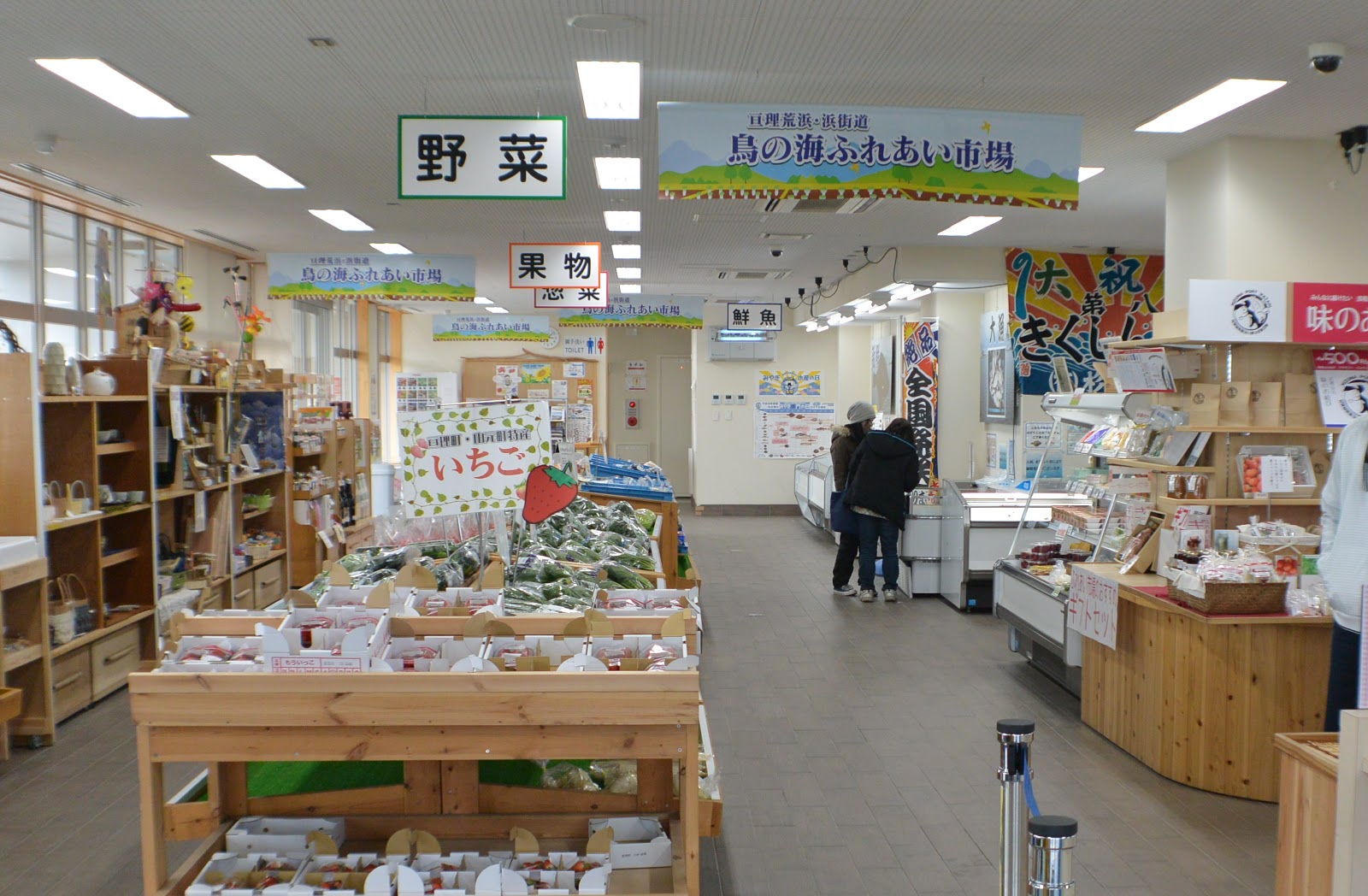
At first we went to a market
which was reconstructed after the 311 earthquake. This market served various
kinds of things such as seafood, fruits, vegetable, and decorations. Everything
here is really cheap. For example, it cost just 500 yen to buy 5 red crabs (赤カニ)! As I was so amazed and interested in this, Takada San bought 2 boxes of
the red crabs, one was for me and the other was for himself. Since all the
seafood sold there was directly imported from the sea, when I cooked them
later, I was surprised that they were still alive. At the corner of this shop,
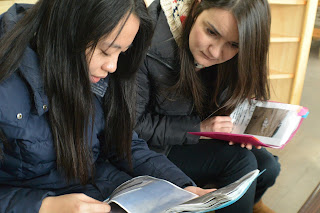
there’s a bookshelf with some pictures of 311. Emi San told us that 6 years
ago, it was the tsunami and typhoon that hit Watari much. Then we saw some
pictures of the market, the hotspring hotel after the attack. I was really
shocked by the disastrous destruction of these buildings and surprised that
these places seemed good now.
「シーフード」
 After that we went to a seafood
shop to take some photos. The owners were very hospitable that we were treated shellfish
meat soup, rice ball, roasted shell and so on. For the soup, they put skin of
grapefruit in it and then I could only feel the delicate flavor of it instead
of the fishy smell. As for the rice ball, they put some secret recipe in and
the taste was also very good. And for the roasted shell, which was just taken
from the fishing vessel. And the owner didn’t toast it from bottom; instead, he
toasted the meat directly. It was my first time to try this kind of toasted shellfish.
They were all so delicious that we could hardly move our pace to the next spot.
It was really a shame that Selin Chan was a vegetarian and she couldn’t have a
taste of them.
After that we went to a seafood
shop to take some photos. The owners were very hospitable that we were treated shellfish
meat soup, rice ball, roasted shell and so on. For the soup, they put skin of
grapefruit in it and then I could only feel the delicate flavor of it instead
of the fishy smell. As for the rice ball, they put some secret recipe in and
the taste was also very good. And for the roasted shell, which was just taken
from the fishing vessel. And the owner didn’t toast it from bottom; instead, he
toasted the meat directly. It was my first time to try this kind of toasted shellfish.
They were all so delicious that we could hardly move our pace to the next spot.
It was really a shame that Selin Chan was a vegetarian and she couldn’t have a
taste of them.
「荒浜中学校」
As it took a longer time to taste the seafood, we didn’t catch the
strawberry picking event. But luckily, then we got some time to enjoy the
beauty of the harbor which Selin Chan mentioned looked much like her hometown.
Then we went to the荒浜中学校 to listen to the principle talking about the 311 earthquake with Yutaro
San. During the talk, he told us about the situation of this junior high school
after the earthquake and how they reconstructed their school. He also showed us
the badge with 無敵 on when asked by Yutaro San. Then he pointed a calligraphy hanged on the
wall, saying that the calligraphy was about the school song; during the
earthquake the original one was broken so they made a new one at Nagoya. These
could give their school energy to conquer every obstacle facing them, he said.

 After the talk, he showed us around the new school which was a modern
4-layer building with parking lot, huge gymnasium and new power unit equipped. First
he showed us the new power unit which could offer power when the power is cut
off during the disaster. Then he took us to the top of the building. When we
found there were both doorknobs at each side, he told us that when disaster
comes, the door can be opened at both sides to let people living around come
in. And at the top layer, we saw a huge circle with an alphabet “R” inside,
this was the place for the rescue aero plane to park. Also we found that there
was a stair outside the building which could let everybody go to the top layer.
The principle told us that as the junior high school is the tallest building
among the area, people living around could soon get to the school in case of
the disasters. When I had a bird view of things around, I was sorry to see the
blasted landscape. Emi San explained to me that because of the tsunami, the
plants and soil was soaked into the salty sea water and the sea water didn’t
disappear until 3 years ago, which greatly changed the quality of the soil and
now plants couldn’t be grown here.
After the talk, he showed us around the new school which was a modern
4-layer building with parking lot, huge gymnasium and new power unit equipped. First
he showed us the new power unit which could offer power when the power is cut
off during the disaster. Then he took us to the top of the building. When we
found there were both doorknobs at each side, he told us that when disaster
comes, the door can be opened at both sides to let people living around come
in. And at the top layer, we saw a huge circle with an alphabet “R” inside,
this was the place for the rescue aero plane to park. Also we found that there
was a stair outside the building which could let everybody go to the top layer.
The principle told us that as the junior high school is the tallest building
among the area, people living around could soon get to the school in case of
the disasters. When I had a bird view of things around, I was sorry to see the
blasted landscape. Emi San explained to me that because of the tsunami, the
plants and soil was soaked into the salty sea water and the sea water didn’t
disappear until 3 years ago, which greatly changed the quality of the soil and
now plants couldn’t be grown here.  Then the principle took us to the gymnasium. The gym was huge enough to let
students exercise in. He led us to the storehouse showed us some rescue boats
and paper toilet which was created by Tokyo’s students. After that, Yutaro San
went downstairs, calling some students, chatting with and comforting them.
Then the principle took us to the gymnasium. The gym was huge enough to let
students exercise in. He led us to the storehouse showed us some rescue boats
and paper toilet which was created by Tokyo’s students. After that, Yutaro San
went downstairs, calling some students, chatting with and comforting them.
Finally we went down and looked up to the whole school. Emi San told me
that the first floor was designed as parking lot in case of the tsunami. When
the sea water came, the pillar downside could let the sea water go so that the
upper floors – the 荒浜中学校 won’t be destroyed. What a fantastic idea! After Yutaro San had photos
with some high school fans, Selin Chan and I luckily got a chance to have photo
with him. When I searched on the Internet before, I found that Yutaro San was
eager to join in many events to let the Tohoku region recovery again, which was
really admirable. As an international student, I also want to offer my energy
to help this place which I like to go back to the summit!


亘理で震災に関する体験
リ・イン(中国)
今回、私はセリンさんと共に亘理の美しい海岸線と最高に美味しい海産物を楽しみ、311の復興の為の簡単なアイディアを得ました。また、幸運にもゆうたろうさんと共にこの亘理を体験する特別なチャンスを得ました。
「きずなぽーとわたり」
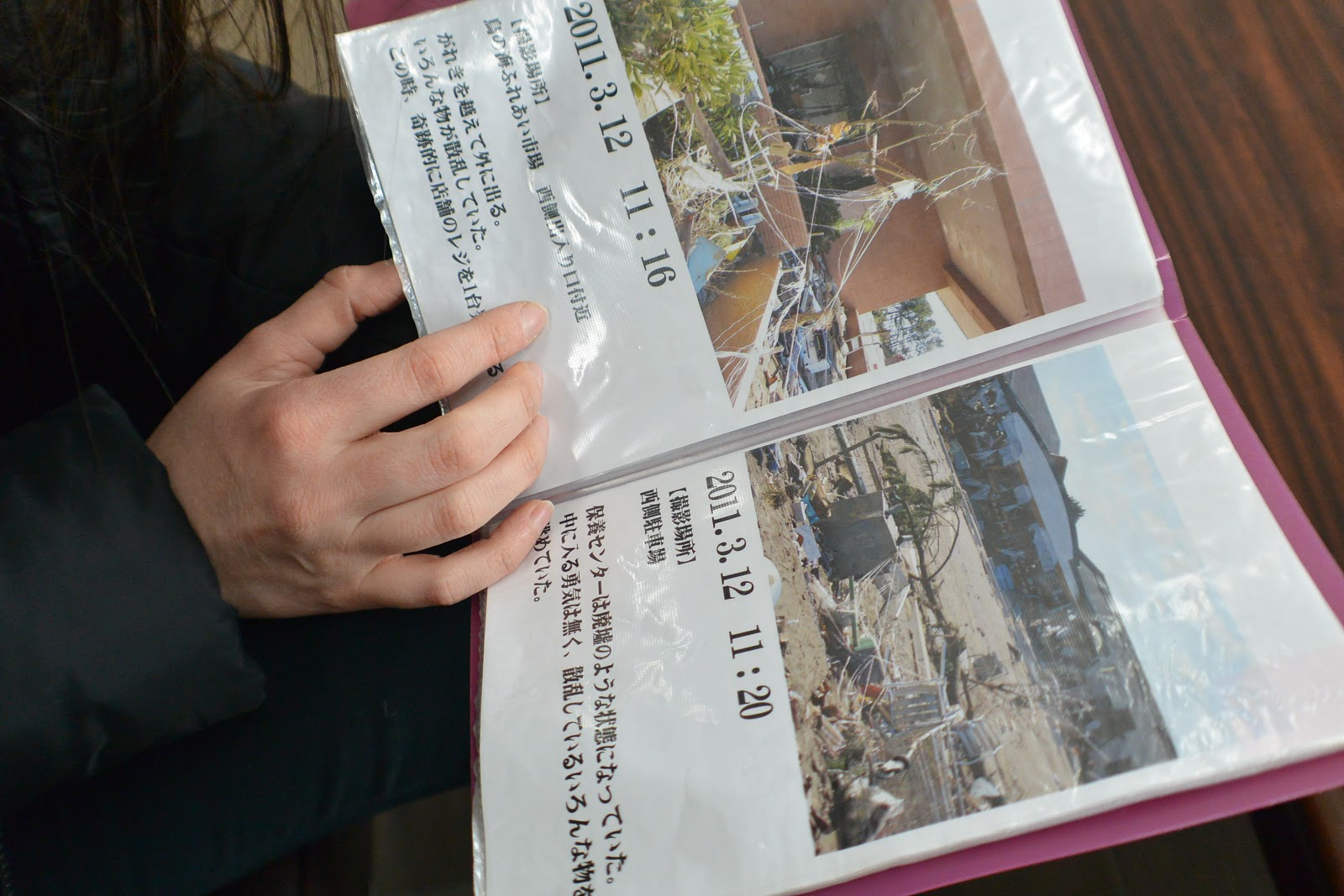 最初に私たちは311の地震の後に再建されたマーケットに行きました。このマーケットでは海産物や果物、野菜や飾り物など様々な種類のものが売られていました。ここで売られているどれもこれもとても安かったです。例えば、たった500円で5匹の赤カニを買えます!私は大きな驚きと共に興味津々になりました。高田さんは、1パックは私に、もう1パックは高田さんの分で2パック赤カニを買いました。すべての海産物は海から直送で、後でカニを調理した際にカニがまだ生きていたのにはとても驚かされました。お店の一角には本棚に311の時の写真がありました。6年前に地震と津波が亘理を襲ったと江美さんから聞きました。お店周辺や、被災後の「わたり温泉鳥の海」の様子の写真などを見ました。建物の悲惨で壊滅的な様子にとてもショックを受け、それらの現在の様子は良くなっていることにも驚きました。
「シーフード」

セリンさんはベジタリアンなので、食べる事が出来ないのがとても申し訳なく思いました。

荒浜中学校
海産物を試食するのに時間を長くとってしまったので、私達はいちご狩りに行く事が出来ませんでした。 しかし、ラッキーなことにセリンさんの故郷を思わせるという、美しい海岸を見て歩きました。
その後、荒浜中学校へ行き、ゆうたろうさんと共に校長先生から311の地震についてのお話を聞きました。話の中で、校長先生は震災後の中学校の状況についてと、どのようにして中学校を再建したのかを話してくれました。ゆうたろうさんは校長先生の胸元に「無敵」と書かれたピンバッジについて質問をすると、校長先生は壁に掛かっている「書」について触れ、この「書」が校歌である事、震災によって以前あった物が壊れた事から名古屋の書道家によって新しく書かれたもだと話してくれました。校長先生はこの壁に掛けられた校歌は向かってくる困難に打ち勝つ力を与えてくれると言っていました。
話の後に、4階建てで駐車場があり、大きな体育館や新たに電源装置を備えた近代的な新校舎を見せてくれました。先ず始めに校長先生は震災などで停電などがおきた場合に、電力を供給してくれる新しい電源装置を見せてくれました。そして、屋上に案内されると、屋上へ続く扉には外側と内側、それぞれにドアの鍵がついている事に気がつきました。これは震災がおこった際に、学校周辺に住む地域の人々がドアを開けて中に避難できるように両方から開錠できるようになっていると校長先生が説明してくれました。そして屋上には、とても大きな円に「R」と描かれた物が目に入りました。この場所は救助用航空機の活動スペースでした。また、校舎の外には誰もが使える1階から屋上へ続く階段がありました。校長先生の話では、この中学校は地域の中では高い建物なので、災害が起きた際にはすぐに学校へ避難できるようにするためとの事でした。
屋上から亘理の町の様子を見渡すと、被災した景色の様子に心が痛みました。

江美さんの説明によると津波により植物や土壌は海水に浸かり海水は3年も引かず、土壌の質が大きく変わってしまった事により土耕栽培ができなくなってしまったとのことでした。
その後、校長先生は体育館に案内してくれました。生徒が運動をするには十分なほど、とても大きな体育館でした。体育倉庫に案内されると救助ボートと東京の学生が開発したというダンボールで組み立てる簡易トイレを見せてくれました。その後ゆうたろうさんは下の階に降りて行き生徒を呼ぶと談笑し、元気付けていました。
最後に私たちは学校の外にでて学校全体を見上げました。江美さんのお話によると1階は津波に備え駐車場になっているとのことです。津波により海水がきても、建物下の支柱により海水が抜けていき、上層階の荒浜中学校の校舎は守られるのです。なんと素晴らしいアイディアなのだろう!! ゆうたろうさんが生徒たちと写真を撮り終えると、セリンさんと私たちも幸運にもゆうたろうさんと一緒に写真をとることが出来ました。この日の前にインターネットでゆうたろうさんについて調べてみると、ゆうたろうさんは東北の復興の為のイベントに精力的に参加されている事を知りました。それはとても素晴らしいことだと思います。私も留学生として、この地域が元の姿に戻るよう、地域の力になりたいと思いました。

2017年4月14日金曜日

2017年2月28日火曜日
Sendai Dagashi Honpo Kumagaiya & Dotonsai
Reporter: Pasith Tangdhanakanond(Thailand)

Three
Centuries Dessert Store:
Around the late
afternoon of a freezing day in the Sendai winter, we started our trip by
visiting a famous dessert shop. The shop name was “Sendai Dagashi Honpo
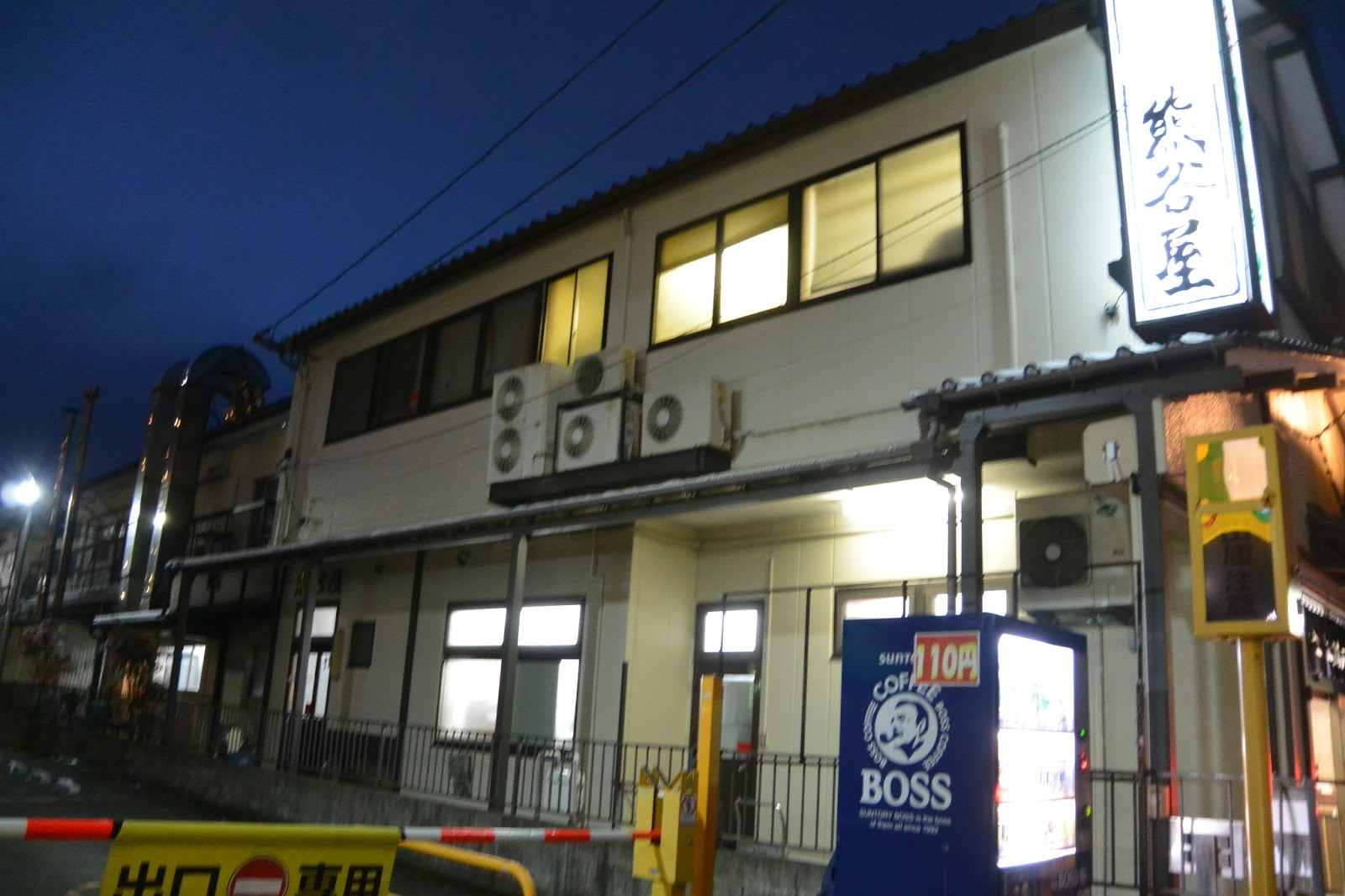
Kumagaiya”, which spans more than three centuries from Edo period. From the outside, the store was smaller than
expected, the building looked old, and had a very small entrance at the front,
but narrowed deep inside. We met with Mr. Norihiro Kumagai, the owner of the
store, a wise-looking middle aged man. As soon as I realized that his last name
matches with the store name, I was informed that he is the 10th generation of
the store owner. He started by telling us the back story of the snacks.

10th generation of the store owner, Mr. Norihiro Kumagai.
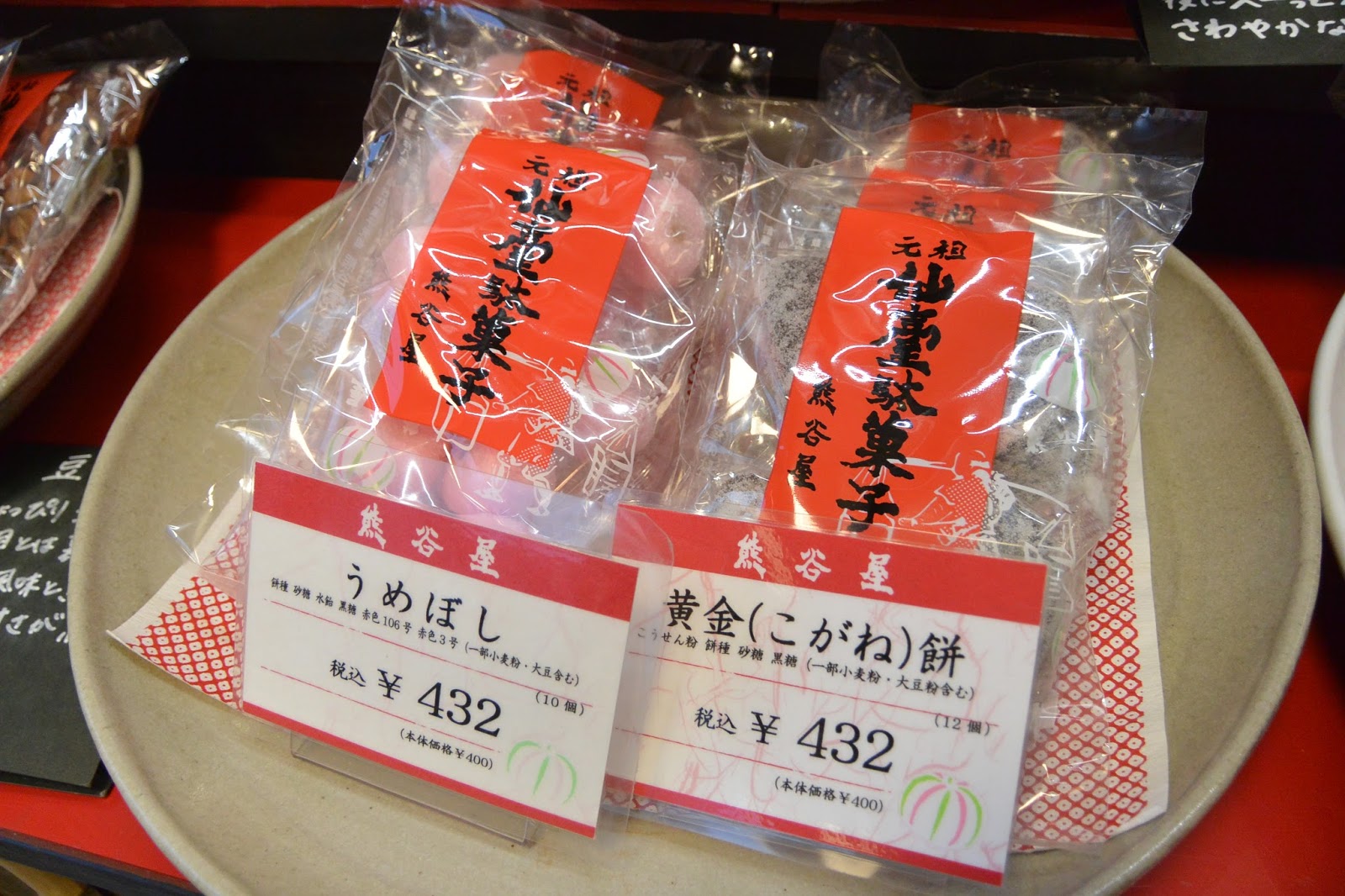
Sweets were a rare commodities. He told us that the snacks back then was made from whatever ingredients they could find, for example, rice and soy beans powder. They also made the snacks hard in texture, large in portion, and as sweet as possible as it would last long in the mouth. Many of desserts in this shop evolved into smaller size and became softer in texture in order to suffice the demand of the modern customers.

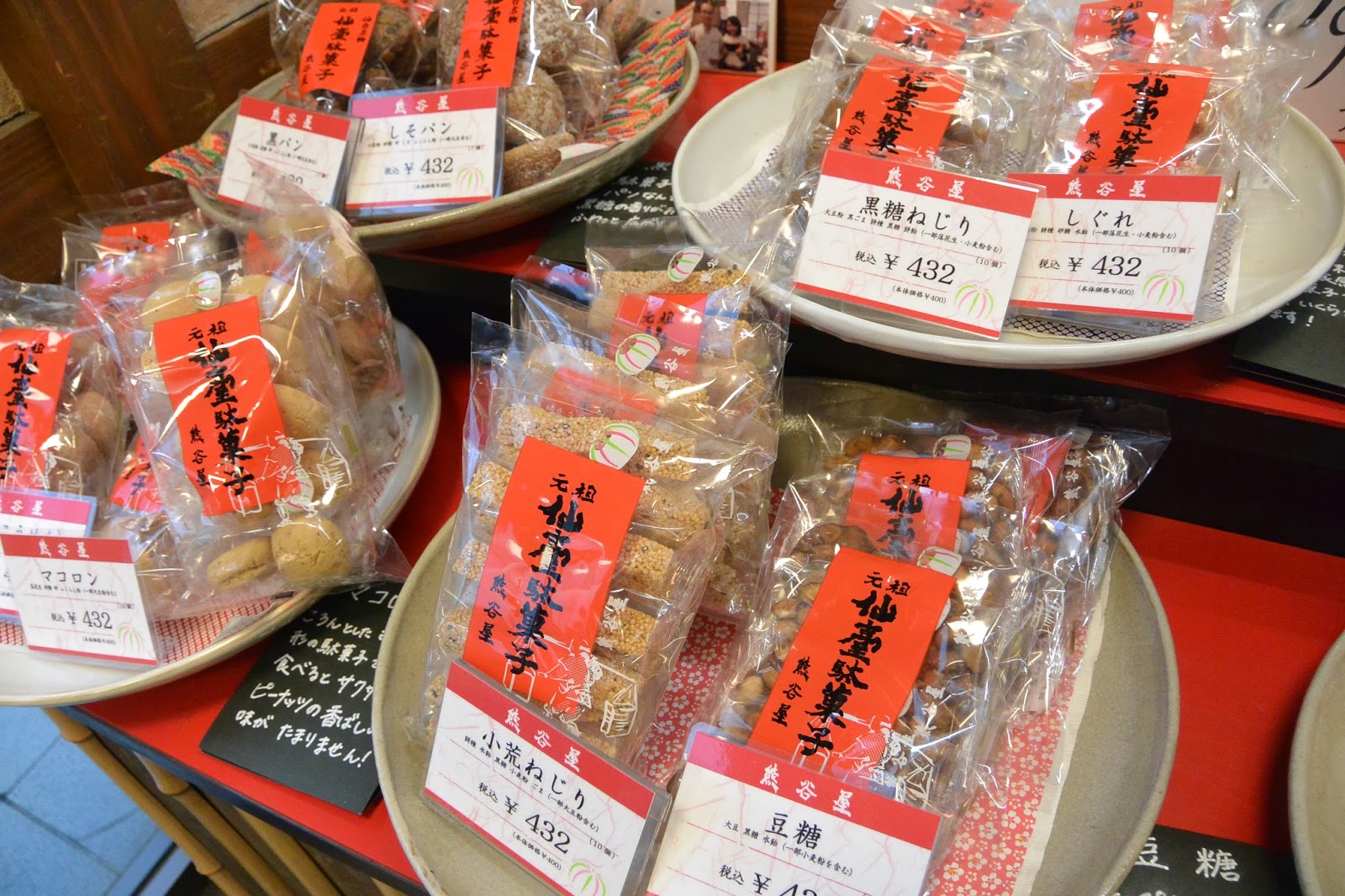
This is a very
different experience for me. In my country, we have many traditional desserts,
local and nation-wide, dated back as old as Edo period. Although changing or
evolving the dessert might be the key for the store to survive for three
centuries, we never tried to change or evolve them. The approach in making
snacks might change due to easier access to ingredients, but we would still keep
it as original as much as possible. If the store decided to implement on a traditional
dessert, that store would be shutting down within less than a year.
 After we finished on
the dessert, Mr. Kumagai started to talk about the store and area around it. I
saw a chance, and mentioned about the unique structure of the store. He
explained that the design is the traditional house design in Edo period. Having
small entrance can avoid tax collections from the government officials. He then
pointed out that this area is an old town, and my observation confirms his
word. Many buildings had the same structure as the store, small entrance but
narrowed deep inside. Mr. Kumagai also explained that the road in front of the
store is the key factor that makes his store thrives for three hundred years.
The road used to be the main route leading to Edo. People in these areas would
use the road, and stopped by at the shop for breaks. The conversation was
interesting, and the topic got broader. Mr. Kumagai showed us how we can
identify if different areas in Sendai were lived by Samurai or peasants by
simply just looking at the Kanji at the end of the name. He then blew my mind
by telling us that the slogan of Sendai, 杜の都,
did not come from the fact that there are many trees in the city as it says on
the advertisement media of Sendai city. The slogan is credited to Date
Masamune, who ordered the construction of man-made water ways in order to aid
farmers and locals. Because the water ways ran throughout the city, the whole
areas were covered by trees as if the city itself was a forest.
After we finished on
the dessert, Mr. Kumagai started to talk about the store and area around it. I
saw a chance, and mentioned about the unique structure of the store. He
explained that the design is the traditional house design in Edo period. Having
small entrance can avoid tax collections from the government officials. He then
pointed out that this area is an old town, and my observation confirms his
word. Many buildings had the same structure as the store, small entrance but
narrowed deep inside. Mr. Kumagai also explained that the road in front of the
store is the key factor that makes his store thrives for three hundred years.
The road used to be the main route leading to Edo. People in these areas would
use the road, and stopped by at the shop for breaks. The conversation was
interesting, and the topic got broader. Mr. Kumagai showed us how we can
identify if different areas in Sendai were lived by Samurai or peasants by
simply just looking at the Kanji at the end of the name. He then blew my mind
by telling us that the slogan of Sendai, 杜の都,
did not come from the fact that there are many trees in the city as it says on
the advertisement media of Sendai city. The slogan is credited to Date
Masamune, who ordered the construction of man-made water ways in order to aid
farmers and locals. Because the water ways ran throughout the city, the whole
areas were covered by trees as if the city itself was a forest.
After living in Japan for a while, I started to get
used to companies that are centuries old. There are many articles out there
explaining and analyzing how these companies thrive for hundreds of years. However,
meeting the store owner in person and had a valuable chance to exchange the
conversation is very different. These stories that Mr. Kumagai shared to us are
stories that even Sendai locals would be surprised. It shows that it took more
than being an heir to the Kumagai family to be the store owner. I also finally understood
that the point is not about changing or evolving the desserts. It is also not
about keeping the originality. When people buy the dessert from the store, they
are supporting the history. They embrace their identity, and pass on their
cultures to other people including the next generations.
Dontosai: The Half
Naked Pilgrimage

The
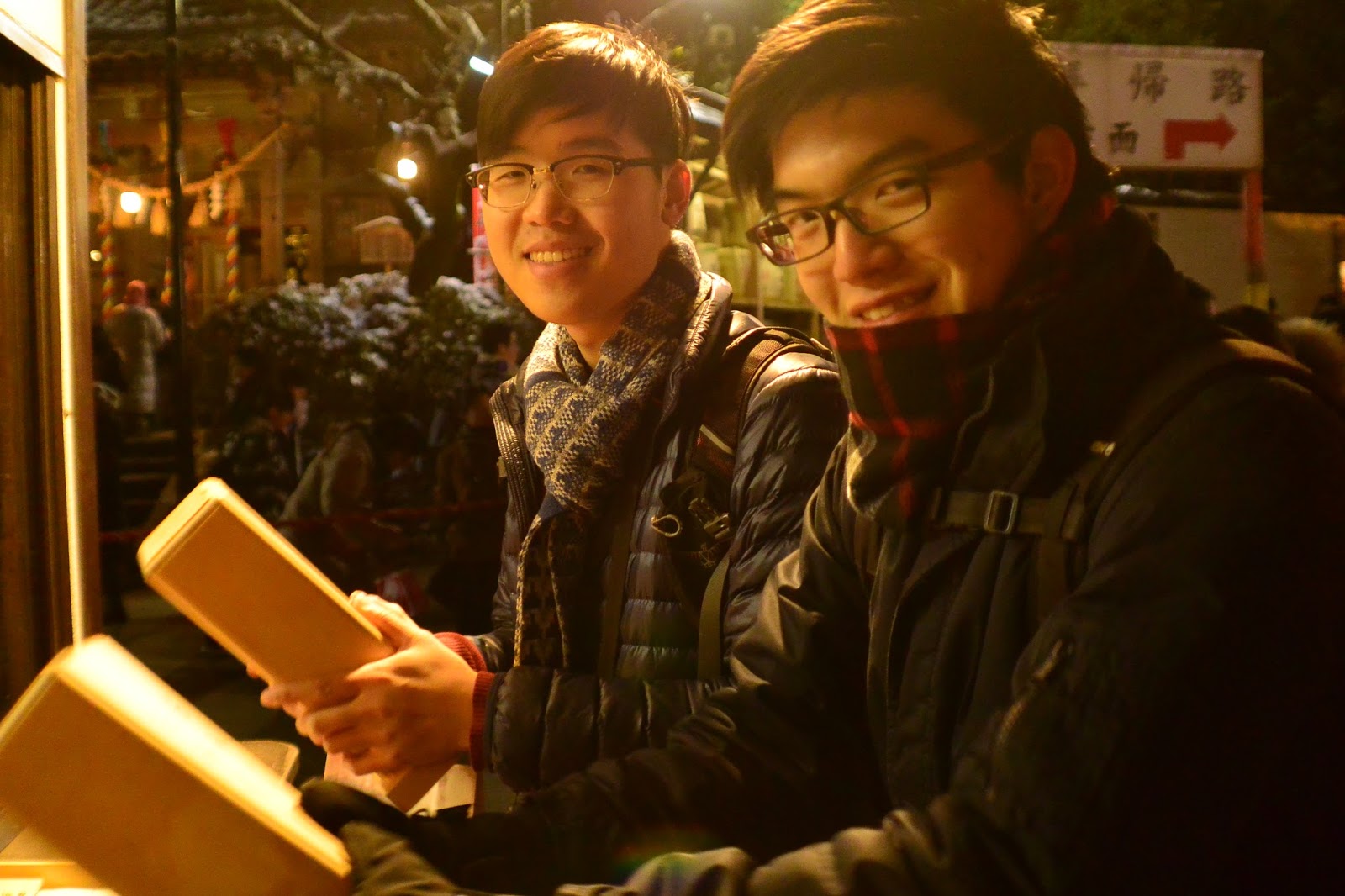
next destination of the trip was a Dontosai Festival at Hachiman Shrine. This
was my first time going to the festival because I usually stay home to avoid
the cold. I heard that the festival has huge bonfires and half-naked
pilgrimages.

At
the Hachiman Shirne, the street was lit-up by the Japanese style lamps along
the way with many stores actively selling food serving hot for the crowds who
were out in the freezing cold weather. As we approached the gate of the shrine,
the people were squeezed into a smaller area, and the area got so dense that
the people could no longer walk to the food stall and purchase the items.
Despite the crowds, there was one special route left open for parades of
half-naked pilgrimages. The parades constantly arrived the shrine, and ran up
to the destination via the express route. Seeing more than half of their
bare-naked body exposed to the freezing cold air, I couldn’t imagine how cold
it must be. I could only wish them best of luck, and hope they do not get sick
afterwards.
Although
the weather was sub-zero, people still dressed half-naked and exposed their
skins to the cold air. Some said this is some sort of training, but I have seen
other similar behaviors of Japanese people. For example, Japanese people prefer
to eat ice-cream in winter and go mountain hiking in summer. In my country, we
have tradition of eating ice-cream, drinking cold beverages, and splashing the
water in summer. In winter, we eat hotpot and stay warm as much as we can
inside the building. It is very interesting to see opposite reactions.

In
my limited knowledge, I have never heard of any other places where they might
have similar tradition. In my country, we normally throw unwanted items in the
bin. I am sure many foreigners would be confused to see a festival for throwing
away unwanted items. For me, I think it is a cool concept to create an
opportunity where everyone can get rid of their unwanted belongings. Letting go
is an important part in life, and it is not always easy to do so. Having a
lively and holy festival like this makes it easier, and reminds us that
everyone is experiencing the feeling, everyone is letting go of their past
together.
「元祖仙台駄菓子本舗 熊谷屋」と「どんと祭」
リポーター:パシット・タンダアナアカノン(タイ)
3世紀続く老舗駄菓子店
冷え込んだ夕方の仙台の冬、有名な駄菓子店を訪れることから私たちのリポートが始まりました。お店の名前は“仙台駄菓子本舗熊谷屋”、江戸時代から3世紀以上にも及ぶ歴史あるお店です。
外観のお店は予想よりも小さく、建物も歴史を感じる建物で、間口はとても狭いものでした。しかし、中は細長く奥行きがありました。私たちはお店の店主である、経験豊富で聡明な風格の男性、熊谷典博さんに会いました。熊谷さんの苗字がお店の名前と同じであることにすぐに気が付くと、熊谷さんはお店の10代目店主であることを教えてくれ、仙台駄菓子の背景を語り始めました。

菓子はとても貴重なものでした。当時の菓子は見つける事ができるどんなものでも材料にし、作っていました。例をあげるとお米やきな粉です。そして、食感は固く、1つあたりの大きさが大きく作られていました。それは、お菓子が口の中でできるだけ長く残っているようにするためでした。お店に並ぶたくさんのお菓子は、現代のお客さんの多くの要望に応えるため、小さなサイズに形を変え、食感も柔らかくなりました。
 熊谷さんはお店で仙台駄菓子の中でも歴史があり、進化を遂げた2種類の駄菓子を温かいお茶と共にご馳走してくれました。1つは大豆から出来ているものと、もう一つは小豆から出来ているものです。食感は本当に柔らかく小さなサイズで、一口かじるにはちょうど良い大きさです。しかし、この甘さの程度には意表を突かれました。私の母国、タイのお菓子のイメージがあり、もっと甘いものだと想像していたからです。とはいえ、砂糖のような甘さではなく、お菓子はとてもヘルシーで高級な感じがしました。材料はすべて自然なもので、おしゃれなお皿に盛り付けられ、熊谷さんの素晴らしいお話しと温かいお茶でいただきました。
これは私にとって母国と異なる体験をするものでした。江戸時代と同じ頃から私の国にも全国各地に地元の伝統的なお菓子がたくさんありますが、変容や進化を遂げた駄菓子こそお店が3世紀も続くカギとなったと思います。タイでは菓子を変え、進化させる事に挑戦したことなどありません。お菓子の製造方法について材料が入手しやすくなった事から、変わったことがあったかもしれません。しかし、未だに昔の物と出来る限り変わらないままにしています。もし、熊谷屋さんが伝統的なお菓子を作る事にすれば、1年以内にお店は閉店するでしょう
駄菓子を食べ終えると、熊谷さんがお店のことやお店周辺のことについて話し始めました。私はタイミングを見て、お店のユニークな構造について話しに触れました。熊谷さんは江戸時代の伝統的なデザインの建物であることを説明してくれ、間口を狭くすることにより幕府への納税から逃れることが出来たそうです。熊谷さんはこの周辺が古い街であると話してくれ、よく見てみるとその事がとてもよくわかりました。たくさんの建物がこのお店と同じような構造をしています。間口が狭く、奥行きがあるのです。熊谷さんはお店前の道路が、3世紀にも及び繁栄したカギがあると説明してくれました。この道路は江戸に続く主要な街道だったのです。この界隈の人々はこの街道を使い、休憩の為にこのお店に立ち寄っていたのです。話の内容はとても興味深く、話は広がり、熊谷さんは仙台の異なる場所でも地名の最後の漢字を見て、どこに武士や商人が住んでいたか特定する方法を教えてくれました。そして、仙台の愛称である「杜の都」について教えてもらった時はとても衝撃的でした。仙台の広告メディアなどが言うように市内にたくさん木があるからではなく、実際この通称を掲げたのは農家や庶民を救うため水路をつくることを命じた伊達政宗でした。水路が市内を巡り、自然に森のように木々が街を覆い尽くしたからだそうです。
日本に住んでいると、何世紀も続く企業がある事に慣れてきました。
どのようにしてこれらの企業が百年以上も繁栄し続けたのか、説明や分析がされた記事はたくさんあります。けれども、お店の店主にお会いし、価値のあるチャンスで話しを交わしてみると、大いに異なるものであることがわかりました。熊谷さんが話してくれた事の中には地元が仙台の人も驚いているものもありました。それは店主となる人は熊谷家の継承者である以上のものが必要だということをあらわしています。
私は菓子が変容や進化をすることがポイントではないことをやっと理解しました。そして、元の形を継承し続ける事でもないのです。お店からお客さんが駄菓子を買う事により歴史を支えていくのです。お客さんはアイデンティティを受け入れ、文化を他の人や次の世代に受け継いでいくのです。
どんと祭:裸参り
次の行き先は大崎八幡宮で行われたどんと祭です。私は寒い日はいつも家にいるので、これは初めて行くお祭りでした。聞くところによると、お祭りには大きな御神火があり、半裸の人々が歩くとの事でした。

八幡宮までの道のりは提灯が灯され、たくさんの出店が寒さで凍える人々に温かい食べ物を活気良く売っていました。八幡宮の鳥居に近づくと、狭い場所へ行くために人混みにもまれ、隙間がない程の人で出店に買いに行く為の距離を歩くことが出来ないほどでした。人混みが和らぐと、裸参りの列向けに片側に寄り、特別に道をあけ、列が八幡宮に着く度に目的地へ行く為の急行用に道をあけました。凍えるような寒さの中、裸参りの人の体を見ると、どんなに寒いものなのか想像もしがたいものでした。私に出来ることは彼らに幸が訪れ、この後に病気などにならないように、と祈る事だけでした。
 天気は氷点下ながらも、寒い空気に半裸の肌をあらわにしていました。ある人は、これは訓練の一つだと言っていました。私は他にも同じような振る舞いをする日本人を見たことがあります。例えば、日本人は冬にアイスクリームを食べるのを好み、夏には山にハイキングへ行きます。私の国の習慣では夏にアイスクリームを食べたり、冷たい飲み物を飲んだり、水の中に飛び込んだりします。冬は屋内で出来る限り暖かくして鍋をします。なので、全く反対のことを行うのを見るのはとても面白かったです。
八幡宮の頂上へゆっくりとたくさんの人と共に進むと、本殿の中で裸参りの列の人が集まり、日本酒の入った杯を受け取り、神官に祈祷をされていました。
裸参りの人について行くと最後に裸参りの列が神社の境内にある御神火に向かい、御神火の周りをまわって、藁の腰巻を燃え上がる火に投げ入れていました。私はこの御神火は何のためにあるのか気になっていました。地元の人々の中には御神火は悪い思い出があるものや、忘れたい物を投げ入れ、神様にお供えする人もいると教えてもらいました。裸参りをしていない人も、御神火の周りをまわり、燃える火に向かって順番に使わなくなった物を投げ入れていました。
私が知る限りで、同じような事をする所は聞いたことがありません。私の国では通常、使わなくなった物はゴミ箱に捨てます。たくさんの外国人がこのお祭りを見て、使わなくなった物を投げ入れるという事に戸惑う人がいると思います。私自身はこのコンセプトは良いものだと思います。人生で重要な事から前に進むのは、常にうまくいくとは限らないからです。このような明るく神聖なお祭りはうまくいき易いようにしてくれ、みんながこの気持ちを感じるよう思い出させ、すべての人が自分の過去から解き放たれるのです。
2017年2月27日月曜日


登録:
投稿 (Atom)