
2017年4月14日金曜日

2017年2月28日火曜日
Sendai Dagashi Honpo Kumagaiya & Dotonsai
Reporter: Pasith Tangdhanakanond(Thailand)

Three
Centuries Dessert Store:
Around the late
afternoon of a freezing day in the Sendai winter, we started our trip by
visiting a famous dessert shop. The shop name was “Sendai Dagashi Honpo
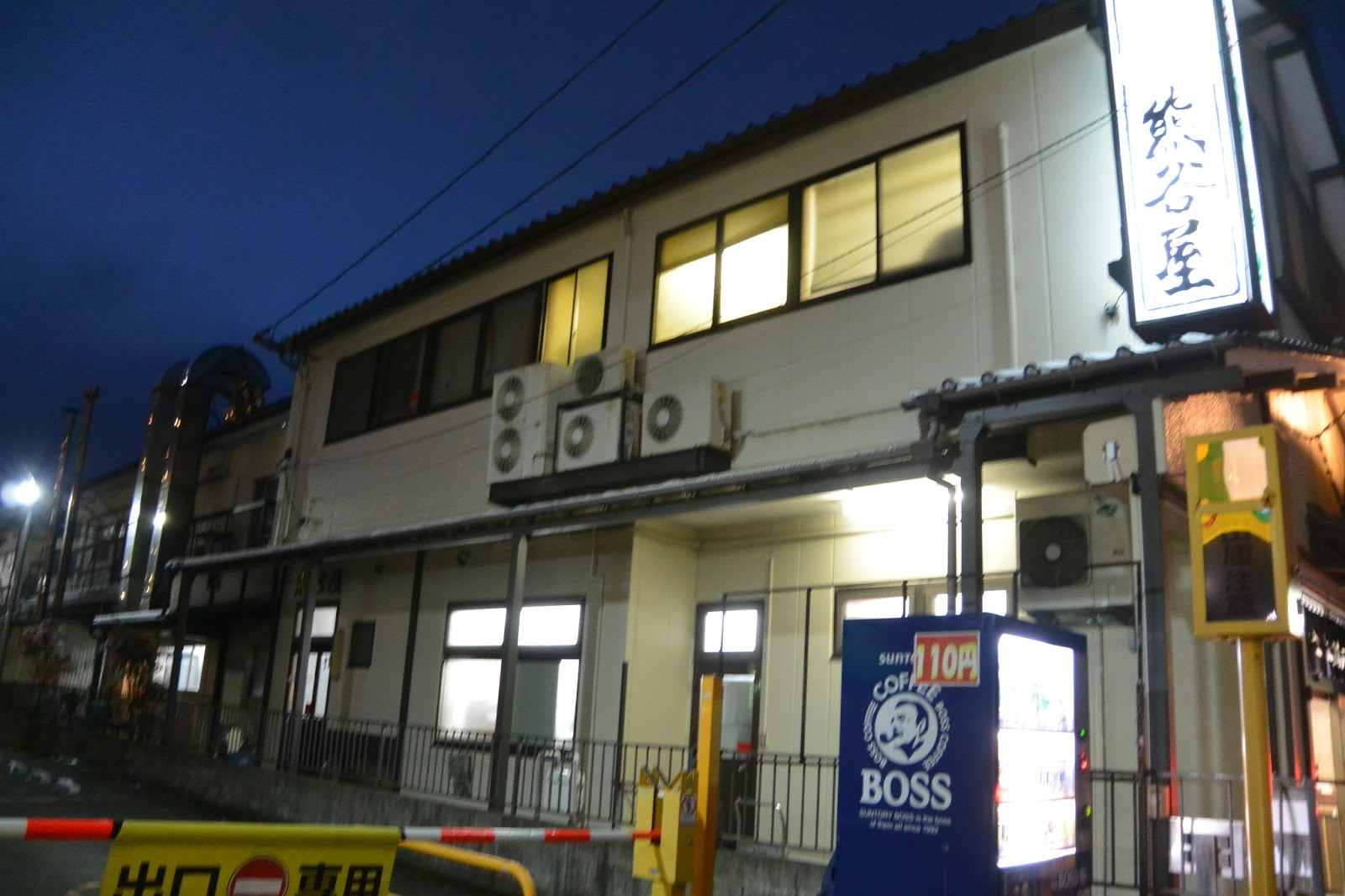
Kumagaiya”, which spans more than three centuries from Edo period. From the outside, the store was smaller than
expected, the building looked old, and had a very small entrance at the front,
but narrowed deep inside. We met with Mr. Norihiro Kumagai, the owner of the
store, a wise-looking middle aged man. As soon as I realized that his last name
matches with the store name, I was informed that he is the 10th generation of
the store owner. He started by telling us the back story of the snacks.

10th generation of the store owner, Mr. Norihiro Kumagai.
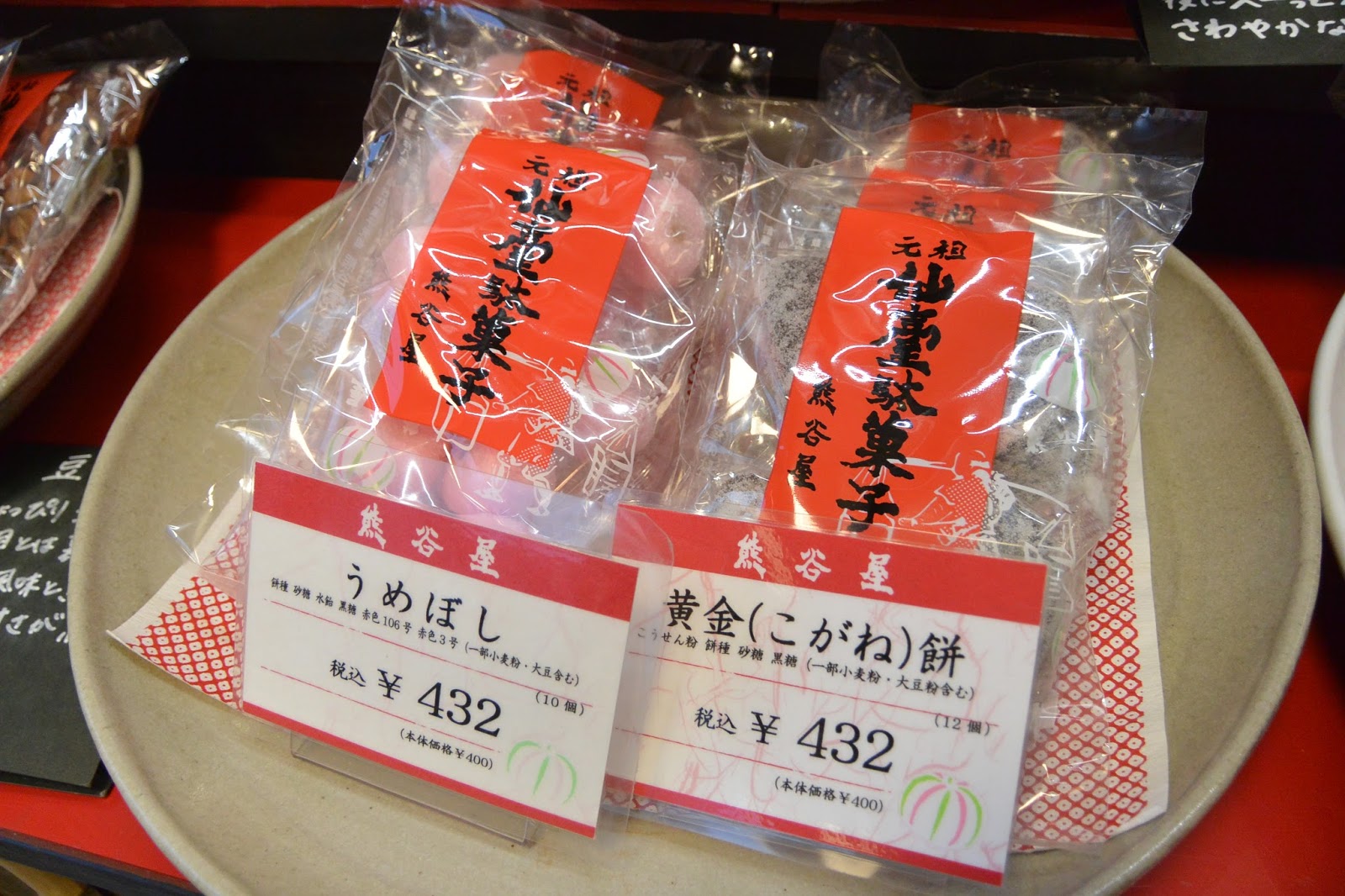
Sweets were a rare commodities. He told us that the snacks back then was made from whatever ingredients they could find, for example, rice and soy beans powder. They also made the snacks hard in texture, large in portion, and as sweet as possible as it would last long in the mouth. Many of desserts in this shop evolved into smaller size and became softer in texture in order to suffice the demand of the modern customers.

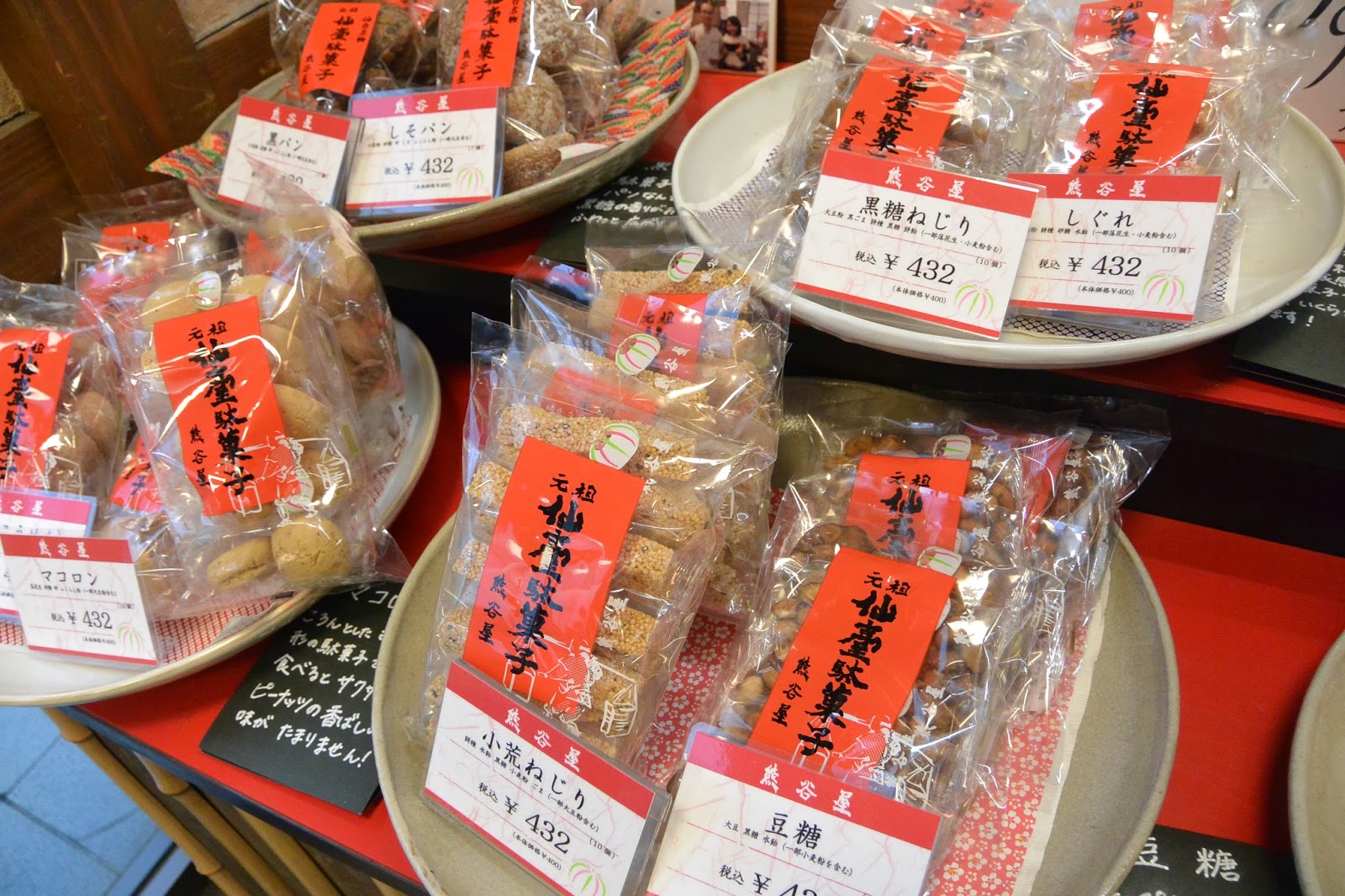
This is a very
different experience for me. In my country, we have many traditional desserts,
local and nation-wide, dated back as old as Edo period. Although changing or
evolving the dessert might be the key for the store to survive for three
centuries, we never tried to change or evolve them. The approach in making
snacks might change due to easier access to ingredients, but we would still keep
it as original as much as possible. If the store decided to implement on a traditional
dessert, that store would be shutting down within less than a year.
 After we finished on
the dessert, Mr. Kumagai started to talk about the store and area around it. I
saw a chance, and mentioned about the unique structure of the store. He
explained that the design is the traditional house design in Edo period. Having
small entrance can avoid tax collections from the government officials. He then
pointed out that this area is an old town, and my observation confirms his
word. Many buildings had the same structure as the store, small entrance but
narrowed deep inside. Mr. Kumagai also explained that the road in front of the
store is the key factor that makes his store thrives for three hundred years.
The road used to be the main route leading to Edo. People in these areas would
use the road, and stopped by at the shop for breaks. The conversation was
interesting, and the topic got broader. Mr. Kumagai showed us how we can
identify if different areas in Sendai were lived by Samurai or peasants by
simply just looking at the Kanji at the end of the name. He then blew my mind
by telling us that the slogan of Sendai, 杜の都,
did not come from the fact that there are many trees in the city as it says on
the advertisement media of Sendai city. The slogan is credited to Date
Masamune, who ordered the construction of man-made water ways in order to aid
farmers and locals. Because the water ways ran throughout the city, the whole
areas were covered by trees as if the city itself was a forest.
After we finished on
the dessert, Mr. Kumagai started to talk about the store and area around it. I
saw a chance, and mentioned about the unique structure of the store. He
explained that the design is the traditional house design in Edo period. Having
small entrance can avoid tax collections from the government officials. He then
pointed out that this area is an old town, and my observation confirms his
word. Many buildings had the same structure as the store, small entrance but
narrowed deep inside. Mr. Kumagai also explained that the road in front of the
store is the key factor that makes his store thrives for three hundred years.
The road used to be the main route leading to Edo. People in these areas would
use the road, and stopped by at the shop for breaks. The conversation was
interesting, and the topic got broader. Mr. Kumagai showed us how we can
identify if different areas in Sendai were lived by Samurai or peasants by
simply just looking at the Kanji at the end of the name. He then blew my mind
by telling us that the slogan of Sendai, 杜の都,
did not come from the fact that there are many trees in the city as it says on
the advertisement media of Sendai city. The slogan is credited to Date
Masamune, who ordered the construction of man-made water ways in order to aid
farmers and locals. Because the water ways ran throughout the city, the whole
areas were covered by trees as if the city itself was a forest.
After living in Japan for a while, I started to get
used to companies that are centuries old. There are many articles out there
explaining and analyzing how these companies thrive for hundreds of years. However,
meeting the store owner in person and had a valuable chance to exchange the
conversation is very different. These stories that Mr. Kumagai shared to us are
stories that even Sendai locals would be surprised. It shows that it took more
than being an heir to the Kumagai family to be the store owner. I also finally understood
that the point is not about changing or evolving the desserts. It is also not
about keeping the originality. When people buy the dessert from the store, they
are supporting the history. They embrace their identity, and pass on their
cultures to other people including the next generations.
Dontosai: The Half
Naked Pilgrimage

The
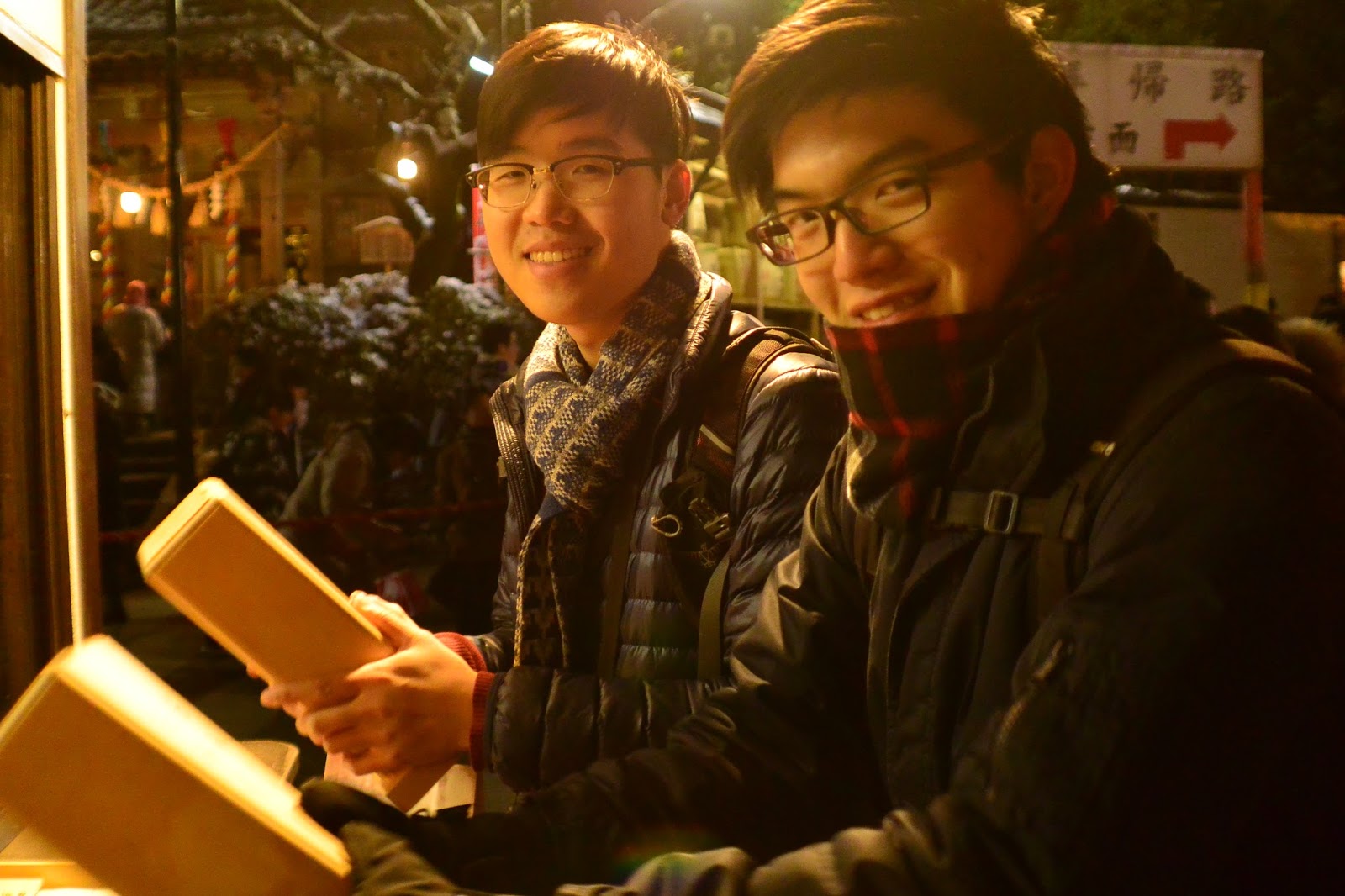
next destination of the trip was a Dontosai Festival at Hachiman Shrine. This
was my first time going to the festival because I usually stay home to avoid
the cold. I heard that the festival has huge bonfires and half-naked
pilgrimages.

At
the Hachiman Shirne, the street was lit-up by the Japanese style lamps along
the way with many stores actively selling food serving hot for the crowds who
were out in the freezing cold weather. As we approached the gate of the shrine,
the people were squeezed into a smaller area, and the area got so dense that
the people could no longer walk to the food stall and purchase the items.
Despite the crowds, there was one special route left open for parades of
half-naked pilgrimages. The parades constantly arrived the shrine, and ran up
to the destination via the express route. Seeing more than half of their
bare-naked body exposed to the freezing cold air, I couldn’t imagine how cold
it must be. I could only wish them best of luck, and hope they do not get sick
afterwards.
Although
the weather was sub-zero, people still dressed half-naked and exposed their
skins to the cold air. Some said this is some sort of training, but I have seen
other similar behaviors of Japanese people. For example, Japanese people prefer
to eat ice-cream in winter and go mountain hiking in summer. In my country, we
have tradition of eating ice-cream, drinking cold beverages, and splashing the
water in summer. In winter, we eat hotpot and stay warm as much as we can
inside the building. It is very interesting to see opposite reactions.

In
my limited knowledge, I have never heard of any other places where they might
have similar tradition. In my country, we normally throw unwanted items in the
bin. I am sure many foreigners would be confused to see a festival for throwing
away unwanted items. For me, I think it is a cool concept to create an
opportunity where everyone can get rid of their unwanted belongings. Letting go
is an important part in life, and it is not always easy to do so. Having a
lively and holy festival like this makes it easier, and reminds us that
everyone is experiencing the feeling, everyone is letting go of their past
together.
「元祖仙台駄菓子本舗 熊谷屋」と「どんと祭」
リポーター:パシット・タンダアナアカノン(タイ)
3世紀続く老舗駄菓子店
冷え込んだ夕方の仙台の冬、有名な駄菓子店を訪れることから私たちのリポートが始まりました。お店の名前は“仙台駄菓子本舗熊谷屋”、江戸時代から3世紀以上にも及ぶ歴史あるお店です。
外観のお店は予想よりも小さく、建物も歴史を感じる建物で、間口はとても狭いものでした。しかし、中は細長く奥行きがありました。私たちはお店の店主である、経験豊富で聡明な風格の男性、熊谷典博さんに会いました。熊谷さんの苗字がお店の名前と同じであることにすぐに気が付くと、熊谷さんはお店の10代目店主であることを教えてくれ、仙台駄菓子の背景を語り始めました。

菓子はとても貴重なものでした。当時の菓子は見つける事ができるどんなものでも材料にし、作っていました。例をあげるとお米やきな粉です。そして、食感は固く、1つあたりの大きさが大きく作られていました。それは、お菓子が口の中でできるだけ長く残っているようにするためでした。お店に並ぶたくさんのお菓子は、現代のお客さんの多くの要望に応えるため、小さなサイズに形を変え、食感も柔らかくなりました。
 熊谷さんはお店で仙台駄菓子の中でも歴史があり、進化を遂げた2種類の駄菓子を温かいお茶と共にご馳走してくれました。1つは大豆から出来ているものと、もう一つは小豆から出来ているものです。食感は本当に柔らかく小さなサイズで、一口かじるにはちょうど良い大きさです。しかし、この甘さの程度には意表を突かれました。私の母国、タイのお菓子のイメージがあり、もっと甘いものだと想像していたからです。とはいえ、砂糖のような甘さではなく、お菓子はとてもヘルシーで高級な感じがしました。材料はすべて自然なもので、おしゃれなお皿に盛り付けられ、熊谷さんの素晴らしいお話しと温かいお茶でいただきました。
これは私にとって母国と異なる体験をするものでした。江戸時代と同じ頃から私の国にも全国各地に地元の伝統的なお菓子がたくさんありますが、変容や進化を遂げた駄菓子こそお店が3世紀も続くカギとなったと思います。タイでは菓子を変え、進化させる事に挑戦したことなどありません。お菓子の製造方法について材料が入手しやすくなった事から、変わったことがあったかもしれません。しかし、未だに昔の物と出来る限り変わらないままにしています。もし、熊谷屋さんが伝統的なお菓子を作る事にすれば、1年以内にお店は閉店するでしょう
駄菓子を食べ終えると、熊谷さんがお店のことやお店周辺のことについて話し始めました。私はタイミングを見て、お店のユニークな構造について話しに触れました。熊谷さんは江戸時代の伝統的なデザインの建物であることを説明してくれ、間口を狭くすることにより幕府への納税から逃れることが出来たそうです。熊谷さんはこの周辺が古い街であると話してくれ、よく見てみるとその事がとてもよくわかりました。たくさんの建物がこのお店と同じような構造をしています。間口が狭く、奥行きがあるのです。熊谷さんはお店前の道路が、3世紀にも及び繁栄したカギがあると説明してくれました。この道路は江戸に続く主要な街道だったのです。この界隈の人々はこの街道を使い、休憩の為にこのお店に立ち寄っていたのです。話の内容はとても興味深く、話は広がり、熊谷さんは仙台の異なる場所でも地名の最後の漢字を見て、どこに武士や商人が住んでいたか特定する方法を教えてくれました。そして、仙台の愛称である「杜の都」について教えてもらった時はとても衝撃的でした。仙台の広告メディアなどが言うように市内にたくさん木があるからではなく、実際この通称を掲げたのは農家や庶民を救うため水路をつくることを命じた伊達政宗でした。水路が市内を巡り、自然に森のように木々が街を覆い尽くしたからだそうです。
日本に住んでいると、何世紀も続く企業がある事に慣れてきました。
どのようにしてこれらの企業が百年以上も繁栄し続けたのか、説明や分析がされた記事はたくさんあります。けれども、お店の店主にお会いし、価値のあるチャンスで話しを交わしてみると、大いに異なるものであることがわかりました。熊谷さんが話してくれた事の中には地元が仙台の人も驚いているものもありました。それは店主となる人は熊谷家の継承者である以上のものが必要だということをあらわしています。
私は菓子が変容や進化をすることがポイントではないことをやっと理解しました。そして、元の形を継承し続ける事でもないのです。お店からお客さんが駄菓子を買う事により歴史を支えていくのです。お客さんはアイデンティティを受け入れ、文化を他の人や次の世代に受け継いでいくのです。
どんと祭:裸参り
次の行き先は大崎八幡宮で行われたどんと祭です。私は寒い日はいつも家にいるので、これは初めて行くお祭りでした。聞くところによると、お祭りには大きな御神火があり、半裸の人々が歩くとの事でした。

八幡宮までの道のりは提灯が灯され、たくさんの出店が寒さで凍える人々に温かい食べ物を活気良く売っていました。八幡宮の鳥居に近づくと、狭い場所へ行くために人混みにもまれ、隙間がない程の人で出店に買いに行く為の距離を歩くことが出来ないほどでした。人混みが和らぐと、裸参りの列向けに片側に寄り、特別に道をあけ、列が八幡宮に着く度に目的地へ行く為の急行用に道をあけました。凍えるような寒さの中、裸参りの人の体を見ると、どんなに寒いものなのか想像もしがたいものでした。私に出来ることは彼らに幸が訪れ、この後に病気などにならないように、と祈る事だけでした。
 天気は氷点下ながらも、寒い空気に半裸の肌をあらわにしていました。ある人は、これは訓練の一つだと言っていました。私は他にも同じような振る舞いをする日本人を見たことがあります。例えば、日本人は冬にアイスクリームを食べるのを好み、夏には山にハイキングへ行きます。私の国の習慣では夏にアイスクリームを食べたり、冷たい飲み物を飲んだり、水の中に飛び込んだりします。冬は屋内で出来る限り暖かくして鍋をします。なので、全く反対のことを行うのを見るのはとても面白かったです。
八幡宮の頂上へゆっくりとたくさんの人と共に進むと、本殿の中で裸参りの列の人が集まり、日本酒の入った杯を受け取り、神官に祈祷をされていました。
裸参りの人について行くと最後に裸参りの列が神社の境内にある御神火に向かい、御神火の周りをまわって、藁の腰巻を燃え上がる火に投げ入れていました。私はこの御神火は何のためにあるのか気になっていました。地元の人々の中には御神火は悪い思い出があるものや、忘れたい物を投げ入れ、神様にお供えする人もいると教えてもらいました。裸参りをしていない人も、御神火の周りをまわり、燃える火に向かって順番に使わなくなった物を投げ入れていました。
私が知る限りで、同じような事をする所は聞いたことがありません。私の国では通常、使わなくなった物はゴミ箱に捨てます。たくさんの外国人がこのお祭りを見て、使わなくなった物を投げ入れるという事に戸惑う人がいると思います。私自身はこのコンセプトは良いものだと思います。人生で重要な事から前に進むのは、常にうまくいくとは限らないからです。このような明るく神聖なお祭りはうまくいき易いようにしてくれ、みんながこの気持ちを感じるよう思い出させ、すべての人が自分の過去から解き放たれるのです。
2017年2月27日月曜日

2017年2月24日金曜日
Sendai Dagashi and Dontosai
Reporter: Vorapol Assavasangthong (Thailand)

 Sendai Dagashi Sweets is the name given to a variety of
traditional small sweets produced in Sendai. The history of Dagashi Sweets
dated back to around 300 years ago during the Edo Period of Japan. Warm welcome
by the owner of this sweet shop, Mr. Kumagai Norihiro, a long history of sweet
from Edo period, and the history of Sendai city itself were unveiled.
Sendai Dagashi Sweets is the name given to a variety of
traditional small sweets produced in Sendai. The history of Dagashi Sweets
dated back to around 300 years ago during the Edo Period of Japan. Warm welcome
by the owner of this sweet shop, Mr. Kumagai Norihiro, a long history of sweet
from Edo period, and the history of Sendai city itself were unveiled. 
The owner, Mr Kamagai told us that back in the day, most of the
sweets were in a large size due to high demand of the customers in the past who
want to eat a lot of sweet. However, nowadays sweet is not so hard to find and
people tend to like to eat sweet with small portion. So the size of the sweet
was changed. Normally the name of the sweet made in Edo period are specially
named by high status people in Kyoto making the name of the sweet rather
elegant and special. However, since Sendai Dagashi Honpo Kumigaiya was run by
the normal local people, the name of the sweet is very simple and
straightforward which is one of the uniqueness of this shop. The name of the
sweet sometime named after the appearance and the ingredient used in the
particular sweet, for example the sweet made with powder and twist, the sweet
is named powder-twisted.

the sweet made with powder and twist, the sweet is named powder-twisted.
Sendai Dagashi Honpo Kumigaiya can be considered as
one of the historical sweet shop in Sendai. The shop was actually featured in
the animated series called Wake Up, Girls! Which many Thai people might have
watched. Besides very long and rich history of the shop, I have a chance to try
out many of the sweet which turns
out to be not bad at all. Since the image of this traditional sweet shop does
not look so attractive to teenagers in this generation. Mr. Kumigaiya also
mentioned that most customers who came to the shop are old people or teenagers
who miss the snack their used to have when they were very young. Some of the
sweet actually tastes really good that I want to go back and buy it again. Also
one more thing I learned today was that I should not judge food from just the
appearance or from what other people might say about it. This made me want to
try more traditional Japanese food which I have avoided before. In my country,
which is Thailand, old sweets can be easily found any markets. I guess that
Thai people are used to eat sweets that it becomes part of their dietary. In my
opinion, there are two main reasons that Thai traditional sweet is still
popular nowadays. First modern sweets in Thailand is quite expensive and
second, Thai people got used to the test of Thai sweets. Actually most of the
sweets I tasted in Sendai Dagashi Honpo Kumigaiya, was my first
time eating this kind of sweets. Next time I go back to Thailand, I will
definitely bring them back home for my family and friends to give it a try.
 Next stop tonight, we went to one of the biggest Matsutaki festival in Japan. Matsutaki Matsuri as known
as Donta-sai has the history of 300 years. The festival usually occurs by the
end of the New Year’s holiday. During the festival decoration used during New
Year’s celebration are burned. This festival usually occurred on January 14th
in every shrines in Japan. However, the shrine we are visiting tonight, Osaki
Hachimangu Shrine constructed by the order of Date Masamune in 1607, are
considered to be the biggest Matsutaki festival in Japan. Every year people from around Japan comes to
Sendai to this festival and this year is also very busy year as well. After
waiting for around 20 minutes in front of the shrine, I can walk to the main
fire. The fire is called Goshinka (sacred fire), and is lit as a sendoff for
the gods who have visited people’s homes during the New Year’s holiday. There
is an old tradition that if you come close to the fire the grace of the deities
will cleanse your mind and body, keep you safe and in good health, and protect
your family in the coming year
Next stop tonight, we went to one of the biggest Matsutaki festival in Japan. Matsutaki Matsuri as known
as Donta-sai has the history of 300 years. The festival usually occurs by the
end of the New Year’s holiday. During the festival decoration used during New
Year’s celebration are burned. This festival usually occurred on January 14th
in every shrines in Japan. However, the shrine we are visiting tonight, Osaki
Hachimangu Shrine constructed by the order of Date Masamune in 1607, are
considered to be the biggest Matsutaki festival in Japan. Every year people from around Japan comes to
Sendai to this festival and this year is also very busy year as well. After
waiting for around 20 minutes in front of the shrine, I can walk to the main
fire. The fire is called Goshinka (sacred fire), and is lit as a sendoff for
the gods who have visited people’s homes during the New Year’s holiday. There
is an old tradition that if you come close to the fire the grace of the deities
will cleanse your mind and body, keep you safe and in good health, and protect
your family in the coming year
Around the big fire, I saw a group of people
wearing only few cloths and even topless for guys. The temperature tonight was
around zero degree Celsius. I was so surprised and though this people are very
crazy! I was wearing a lot of cloths with many layers but still felt the
coldness outside very well. I could not imagine how these almost naked people
withstand this such a cold night outside! This group of people comes from
companies, local shops, university departments, and local groups. I actually
run into my friends from the same department in university participating in the
walk as well. I heard from my friends that if you participated in this walk for
3 times you will go to heaven! Hmmm no a bad deal but let’s me find other
warmer way to go to heaven first.
 Around the fire, I saw many people throwing
their New Year’s decoration which in Japan, New Year’s decoration charm only
last one year meaning that you have to go buy a new one every year! Other than
the decoration, I also heard that people actually throw old letters, pictures,
or things they don’t want or want to forget into the fire. If all this letters
are sent off to the gods, I think he will probably have a lot of idea to write
many romance story in his free time. In Thailand, even though we usually go to
temple during New Year time, we don’t have a tradition to burn anything.
However, since my family originally came from China which each year during
family gathering, we always burn down some paper representing valuable things
to send to our ancestor in the heaven. The experience about Japanese New Year’s
festival actually reminded me of both Thai and Chinese part of my culture in a
very interesting way. Then we went inside Osaki Shrine, and saw many small
shops selling food and toys. The ambient was also reminded me of night market
in Thailand where food are sold along the street at night. Before we finished
of the night, we went for the fortune teller booth to get my fortune reading
for 2017 which turned out to be a not so good one hahaha. Lastly after long time
outside in the cold, we went inside one of the booth where hot drink and food
are sold. I tried hot Amazake which literally translated to sweet alcohol. For
me it does not taste like alcohol at all, and also taste really good that I was
surprised! For anyone reading this article right now I highly recommend to try
hot Amazake in winter. It is the best!! Today tour is over and I am looking
forward to explore Sendai again soon!
Around the fire, I saw many people throwing
their New Year’s decoration which in Japan, New Year’s decoration charm only
last one year meaning that you have to go buy a new one every year! Other than
the decoration, I also heard that people actually throw old letters, pictures,
or things they don’t want or want to forget into the fire. If all this letters
are sent off to the gods, I think he will probably have a lot of idea to write
many romance story in his free time. In Thailand, even though we usually go to
temple during New Year time, we don’t have a tradition to burn anything.
However, since my family originally came from China which each year during
family gathering, we always burn down some paper representing valuable things
to send to our ancestor in the heaven. The experience about Japanese New Year’s
festival actually reminded me of both Thai and Chinese part of my culture in a
very interesting way. Then we went inside Osaki Shrine, and saw many small
shops selling food and toys. The ambient was also reminded me of night market
in Thailand where food are sold along the street at night. Before we finished
of the night, we went for the fortune teller booth to get my fortune reading
for 2017 which turned out to be a not so good one hahaha. Lastly after long time
outside in the cold, we went inside one of the booth where hot drink and food
are sold. I tried hot Amazake which literally translated to sweet alcohol. For
me it does not taste like alcohol at all, and also taste really good that I was
surprised! For anyone reading this article right now I highly recommend to try
hot Amazake in winter. It is the best!! Today tour is over and I am looking
forward to explore Sendai again soon! 
Amazake, made from fermented rice.
仙台駄菓子本舗とどんと祭
リポーター:アサヴァサングソング・ボラポール(タイ)
今回、仙台の老舗駄菓子店の1つ、3世紀以上にわたり独自の菓子を作り続けている駄菓子屋を訪れました。お店の名前は「元祖仙台駄菓子本舗 熊谷屋」。仙台駄菓子の名前の由来は仙台で作られた伝統的で種類にとんだ小さな駄菓子ということです。
駄菓子の歴史は江戸時代の約300年前にさかのぼります。駄菓子店の店主、熊谷典博さんが温かく迎え入れてくれました。江戸時代から続く長い駄菓子の歴史と、仙台の歴史を紐解いてくれました。最初に熊谷さんは江戸時代において菓子は富裕層の人たちの物だと考えられていると話してくれました。砂糖を生産するのがとても困難な時代から富裕層や高貴な人だけが菓子を買うことが出来るものでした。
仙台に住む人々も富裕層のように菓子を食べる事が出来るようにした工夫した結果が、仙台駄菓子のはじまりと言われています。
 それ故に仙台駄菓子本舗 熊谷屋さんでは仙台の地元の人に買うことが出来る値段設定で菓子を楽しんでもらえるようにとお店を始めました。お店では様々な種類の菓子が展示販売され、異なる種類の菓子の数に驚いてしまいました。近年、販売されている菓子はすべて一口で食べられるような小さなサイズになりました。店主の熊谷さんが言うには、昔々、たくさん菓子を食べたい人からの強い要望により、ほとんどの菓子は大きなサイズでした。しかし、近年ではお菓子を探すのも難しいことではなくなり、小さなサイズを好む傾向から、仙台駄菓子のサイズがかわりました。通常江戸時代に作られた菓子は京都の貴族が上品で特別な名前をつけたものでした。しかし、仙台駄菓子本舗熊谷屋は普通の地元の人々の為にあり、菓子の名前はとてもシンプルでストレートな表現のもので、このお店独自の物です。
菓子の名前は時おり出来上がりの見かけや、駄菓子で使った特定の材料の名前だったりします。例えば、ねじって粉が振りかけた駄菓子の名前は「きな粉ねじり」と名付けられています。


元祖仙台駄菓子本舗熊谷屋さんで食べたような駄菓子は殆どが初めて食べたものでした。次にタイに帰るときは仙台駄菓子を家族や友人に食べてもらうために必ず持っていきたいと思います。
次の行き先、日本でも有数の「松焚祭」に行きました。「松焚き祭」は「どんと祭」という名前でも知られており、300年の歴史があります。お祭りはだいたいお正月休みの最後に行われます。お正月期間中に使用したお正月飾りを持っていき燃やします。このお祭りは1月14日に日本の神社で行われます。今夜私たちが訪れた神社、大崎八幡宮は伊達政宗によって1607年に建てられ、日本において最大規模の松焚き祭が行われます。毎年、日本各地からもこのお祭りの為に訪れ、今年も大変混み合っていました。神社の外で20分くらい待ち、松焚き祭りのメイン会場へ歩くことが出来ました。火の名前は御神火(神聖な火)と呼ばれ、この火は神々(年神)が新年の休暇に訪れた人々の家から送られるために行われます。
御神火に近づくと神様のご加護が心と体を清くし、今年一年の安全と健康を保ち、家族を見守ってくれます。
 大きな御神火の周りに、男性が上半身裸で、わずかな服しか来ていないグループを見かけました。その夜の気温はだいたい0度くらいです。私はとってもびっくりし、この人たちはクレイジーなのではないかと思いました!私はいくつも重ね着をし、たくさん服を着てもなお、外はとても寒かったのです。ほとんど裸同然の彼らはこんな寒い日の夜にどのようにして持ちこたえているのか想像すらできませんでした。この団体は会社や地元のお店、大学の学部と地元の人々から出来ています。私は大学の同じ学部の友人が裸参り参加していたので掛けよりました。私は友人から3回この裸参りに参加すると天国に行くことが出来ると聞きました!うーん、悪くはないなと思いますが、暖かく天国に行ける方法をまずは探してみます。
御神火の周りでは日本のお正月飾りを投げ入れている人をたくさん見ました。お正月飾りはその年だけしか使えないので、毎年新しいものを買わなくてはいけないのです!
お正月飾りの他には、聞くところによると使わなくなった物や、忘れたい古い手紙や写真等を炎の中に投げ入れる人もいるようです。もしこれらの手紙が神様の元に届いていたら、神様は暇な時に恋愛小説を書く為のアイディアがたくさんあるに違いないと思いました。タイではお正月にお寺に行きますが、伝統的に何か燃やすという行事などありません。しかし、私の家族は中国出身なので毎年家族が集まると、重要なものを表す紙を天国にいるご先祖様の為に燃やします。
 日本の新年のお祭り体験はタイと中国の二つの私の文化を思い起こさせてくれました。大崎八幡宮の中に入るとおもちゃや食べ物を売る小さな屋台がたくさんありました。この周りの様子は夜道で食べ物を売るタイのナイトマーケットを思い出させてくれました。この夜を終える前に2017年の占いをすべく、おみくじ売り場へ行きました。結果はあまり良くないものでした…(苦笑) 寒い中、外にいたので最後に食べ物や温かい飲み物を売っているテントに入りました。私は名前の通りの甘いお酒、甘酒を飲んでみました。お酒のような味では全くなく、とても美味しくてびっくりしました。今、これを読んでいる人には冬に甘酒を飲んでみる事を強くお勧めします!甘酒は最高‼今回のツアーは終わりを迎え、また仙台の探検をすることをとても楽しみにしています‼
2017年2月20日月曜日

2017年2月2日木曜日
Makisushi making and craft market
Reporter: Arunava Acharyya (india)


Both of us have never made sushi before and hence were very excited to make sushi roll for the first time in our life.

We made two types of temaki sushi namely, shikkai maki and kooni kun. While my friend from Turkey got to make the shikkai maki, I got to make the kooni kun. Matsuki sensei started first with Selene. The shikkai maki uses sushi rice 140 grams, minced meat, fried egg, three different sizes of edible seaweed along with a cut cucumber piece. After about 15-20 minutes, she was ready with her very own shikkai maki which looked super good, even though, sensei's sushi roll was undoubtedly perfect. After a little photo session with the sushi rolls, I started to make my sushi roll which was kooni maki and when finished looked like a face of a demon. My sushi roll required the use of 240 grams of sushi rice, 3 pieces of fried egg of different sizes, fish sausage, minced meat, green dried seaweed, mayonnaise and 4 different sizes of edible seaweed.

The process of making kooni kun involved 4-5 different preparations after which I had to put each preparation on top of another in a particular way and stuck them with rice. After the roll was made, we cut them in the between to give it the demon looking face. I did mess up a bit in the end but sensei helped me out at that time. Not to mention, we had another little photo session after I made my sushi roll.

I was surprised to learn that I was the first boy student in sushi roll making under Mrs. Matsuki. After the temaki sushi making lesson, we were served tea and some dessert by our sensei. As we munched away our dessert and drank our tea, we talked about how she has started her career as a temaki sushi making teacher. Also, we talked about our cultural traditions of making these kind of rolls during important festivals.
 Sensei also showed us her own
calendar which had different pictures of sushi rolls for each month based on
that month’s special occasion or flower or fruit.
Sensei also showed us her own
calendar which had different pictures of sushi rolls for each month based on
that month’s special occasion or flower or fruit.After having a pleasant talk with our Sensei, we bid her adieu and proceeded to a nearby craft market which was being held in the nearby shrine of Mutsu Kokubunji.
At the entrance, we were welcomed by some senior people who were volunteering for that market and wanted to preserve the culture of the area.

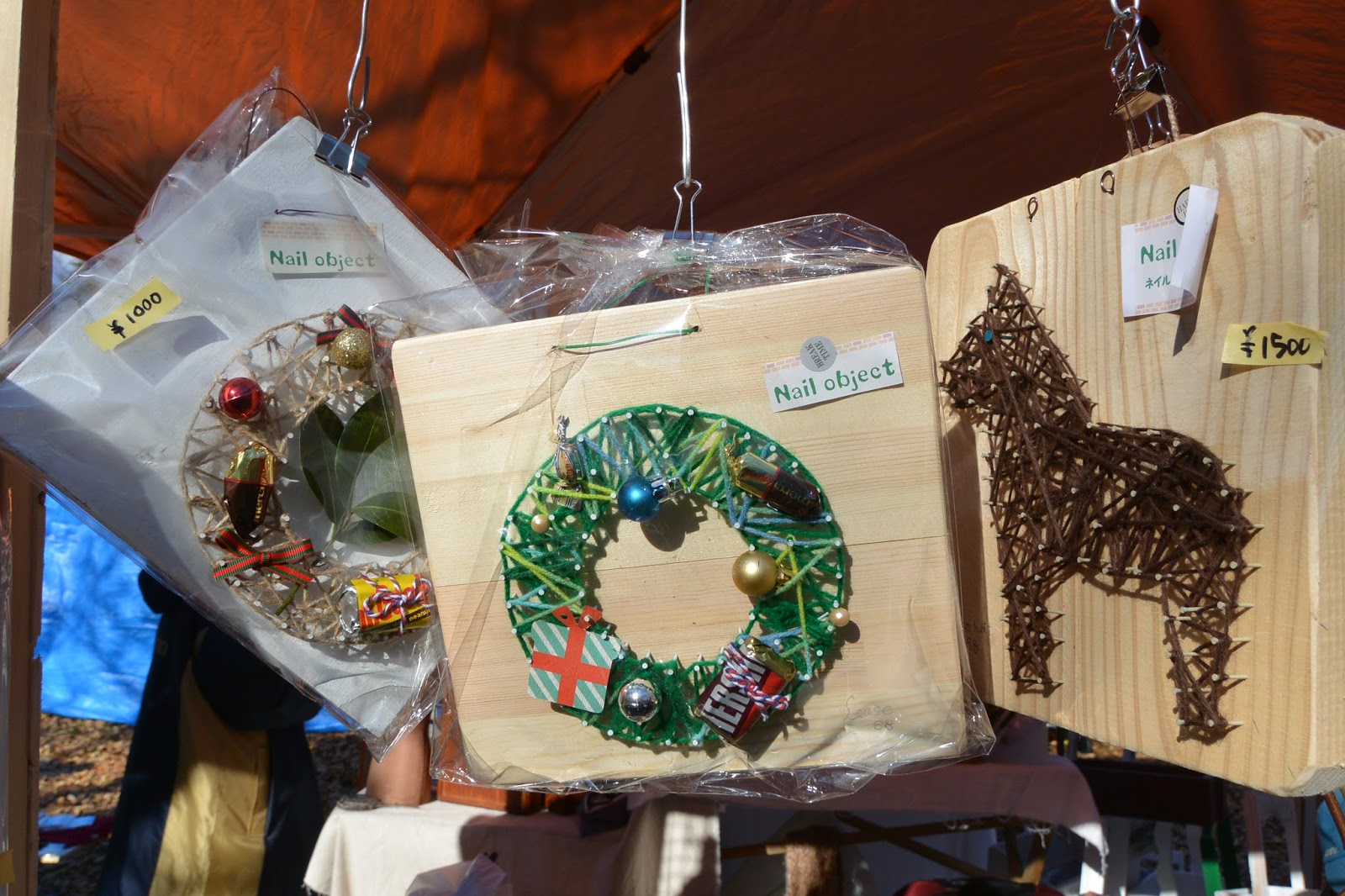
They explained the history of the area and history of the temple of Mutsu Kokubunji and also told us how a great tsunami destroyed the area and left ruins of the temple. There was a craft market in session at the time in which people were selling different kinds of handicrafts including precious ornaments and Christmas themed handicrafts. Lastly, we silently prayed for a few minute before leaving the premises and ending a perfect day of learning and spirituality.

巻き寿司作りと手づくり市
アルナバ・アチャーリャ(インド)
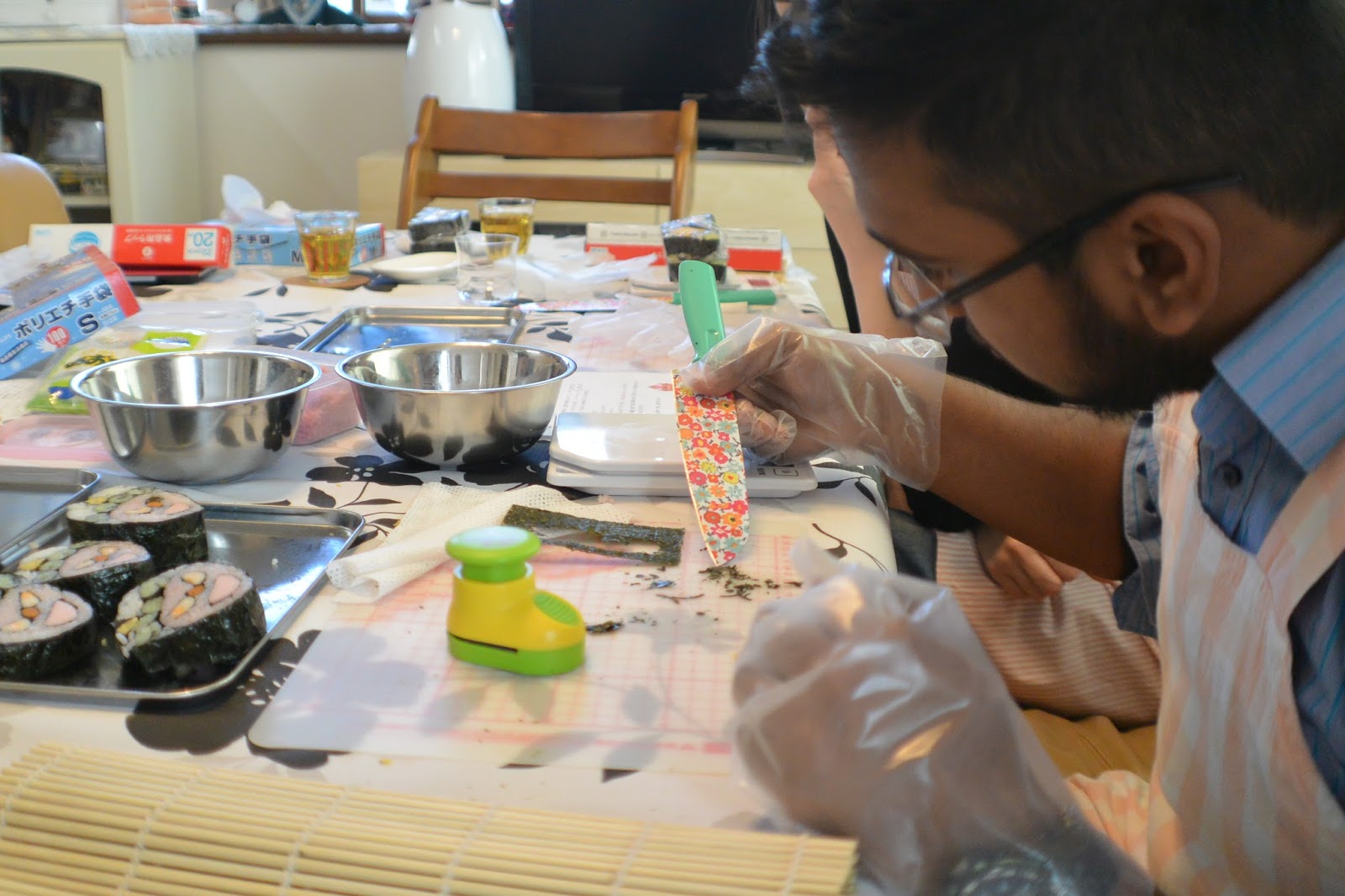
 私たち二人はこれまでお寿司を作った事がありません。その為、生まれて初めてのお寿司作りはとてもワクワクしました。私たちは「四海巻き」と「子鬼くん」という2種類の手巻き寿司を作りました。トルコの友人は「四海巻き」を作り、私は「子鬼くん」を作りました。松木先生は先ずセリンさんと一緒に作り始めました。四海巻きはすし飯を140グラムおぼろ、玉子焼き、大きさの異なる3枚の海苔、それに加えて、カットされたきゅうりを使いました。セリンさんは約15分から20分でとても上手に四海巻きを作り終えました。先生の見本の巻き寿司は言うまでもなく完璧でした。出来上がった巻き寿司の写真撮影会を少し行った後、私は「子鬼くん」という、出来上がると鬼の顔になる巻き寿司を作りが始まりました。私の巻き寿司に必要な材料は240グラムのすし飯、大きさの異なる玉子焼き3本、魚肉ソーセージ、おぼろ、青のり、マヨネーズと4種類の大きさの異なる海苔です。子鬼君を作る工程は4~5種類のそれぞれ違う下準備をしたものを順番にのせていき、すし飯でくっつけていきました。巻き終わると、子鬼の顔を見出す為に切りわけました。
最後の最後に、少し失敗してしまいましたが、先生が手伝ってくれました。もちろん、私の巻き寿司が出来上がると写真撮影会を行いました。

私は松木先生の初めての男性受講者ということに驚きました。
巻き寿司の体験の後、松木先生はお茶とお菓子を用意してくれました。お菓子を食べ、お茶を飲みながら、先生がどのようにして飾り巻き寿司の講師を始めたのかなどを話しました。また、重要なお祭りにおいて私たちの伝統文化にも巻き寿司のようなものがあるのか話をしました。松木先生は月ごとに特別な行事やお花、フルーツなどの異なる巻き寿司の写真が載っている先生オリジナルのカレンダーを見せてくれました。
そこではちょうど様々な種類の手作り品を販売する、手づくり市が行われていました。素敵な装飾品やクリスマス用品などがありました。私たちは帰る前、最後に静かに少しの間拝みました。学び、スピリチュアルな気分になるには終日最高に素晴らしい日でした。

2017年1月27日金曜日
Kazari Sushi or Sushi Roll Art and Sarma
Reporter: Selin Ozdemir (Turkey)

Today,
we were in Matsuki Sensei’s kitchen for to make kazari sushi and spent a blithe-happy
day in there.
First
of all, we met Arunava and Emi and then went to Matsuki Sensei’s kitchen. Matsuki
Sensei welcomed us with beautiful smile. We entered kitchen and waited for to
make kazari sushi with pounding heart and great interest. I think foreigner who
lives in Japan interested in Japanese foods especially sushi. So I want tell
you how to make kazarizushi J though
it’s not ordinary sushi, make to it so so enjoyable. Anyway, let’s get down to
brass tacks.
Firstly
Matsuki sensei brought ingredient for make sushi. it was colorful like palette.
Matsuki Sensei also like painter J and
then I give you required materials;
 *Nori (dried pressed laver)
*Cooked rice
It’s
main material for sushi and then you can use your liked material for colour. By
the way I’m vegetarian and I don’t eat meat, chicken and fish or sea food. So
our pretty Sensei instructed me how to make vegetarian sushi. If you are also vegetarian
please pay attention to what I’m going to say J and
also we used some yukari (for pink), Japanese omelet, cucumber for vegetarian
sushi. Matsuki Sensei instructed while showing me and I followed her. Firstly
she spread out some of cooked sushi rice over half a sheet of nori, and put on
cucumber. (I adding some picture for making it) and rooled it. And then cut the
spiral rolls in to quarters, length wise.and put on the middle Japanese omelet.
Let’s show the rest with picture.


.


And
enjoy for meal J
By
the way, Matsuki Sensei speaks English fluently. So talking with her so so
easy. We talked mixed Japanese and English it was so enjoy. That time I felt at
my mother home. And sushi exactly like Turkish sarma. Sarma is mean, stuffed
grape leaves. We are also rolling it with cooked rice and some spice. And today
we made sushi for Setsubun; the day immediately before the beginning of spring
(on the traditional Japanese calendar, normally around the beginning of
Februry) On the day of Setsubun, Japanese people scatter roasted soybeans to
derive out devils, or evil spirits. I think this habit is common all of
religion. To scatter to drie out devils is like to stone the Devil (done at
Mecca by pilgrims as a part of the hajj) muslim people has also the same habit.
To get to the main point, I told that I felt at my mother home today. We are
namely Turkish people preparing sarma for religious festival (Ramadan Feast and
Feast of Sacrifice) That time we get together with family’s women member and
enjoying make sarma. Today i exactly felt myself in Turkey with great people
Matsuki Sensei, Emi San and Arunava San. It was nice day. And really, we said
together, oh no! What time is it? We were chatting away and we just lost track
of time. Again again again I want to say, Matsuki Sensei let me say a few words
of thanks for today. She made me feel at my home..
And
then came to an end today in there. Second half of the day, we went to
Kokubunji Temple/Yakushido to see hand made goods. When entered the temple,
there was 4 people to guide about temple. And we are also heard about Kokubunji
Temple’s history from them. And then we took a stroll there. I saw decorate
flame for wall and I remembered my childhold. I also had made it when i was in elementary
school. It was a nostalgic memory suddenly came back to my mind.

This
time I wrote second report. For the writing report we have a good experience in
Sendai under Kahoku weekly team’s guidance. For example I didn’t know there is a
Sushi instructer who could speak English in Sendai. By the way she said she
lived in Canada a while. Today everyone has experience in foreigner country so
we told a lot of country and culture, habit of different people. And every day I
learn a lot of different thing about Japan, Miyagi and foreigner who lives in
Japan. Today I also learned about Indian culture thanks to Arunava San. I think
whole world has similarities the all of country.
When
come to an end of day, it was a little bit cold and Emi San bought coffe to us.
We went to subway while talking about which tried sushi and handmade marketing bazaar.
It was really great experience. Together making sushi was so enjoy. また会いたいと思いますJHope
to see you soon again.
Special Thanks to Art Sushi Roll "Gururin"(http://ameblo.jp/gururin-matsuki/)
飾り寿司とサルマ
セリン・オズデミル(トルコ)
 今回、松木先生の教室で飾り巻き寿司を作り、楽しい一日を過ごしました。
まず、松木先生はお寿司を作る為の材料を持ってきました。まるでパレットのように色とりどりあり、松木先生は画家であるように思いました。
必要な材料をお教えします。
・海苔・ごはん
お寿司のメインの材料や色付けとして使う材料は好きな物を使うことが出来ます。
私はベジタリアンで、鶏肉をはじめとするお肉や、魚介類は食べません。このため、松木先生はベジタリアン向けのお寿司の作り方を教えてくれました。もし、皆さんがベジタリアンでしたらこれから述べる事は注目です。ピンクの色付けとしてゆかり、玉子焼き、きゅうりがベジタリアン向けのお寿司の材料です。松木先生はすべての工程を見せてくれ、私は真似するように作っていきました。先ず、すし飯をいくつかにわけ、その半分を海苔にのせ、その上にきゅうりをのせ巻きました。そして、巻いたお寿司を縦4つに切り分け、真ん中に玉子焼きを入れ巻いていきました。写真と一緒にお見せします。


ところで、松木先生は英語を上手に話します。なので、先生と話すのはとても気楽でした。
私たちは日本語と英語を交えながら話をしました。それはとても楽しい時間で、まるで母の家にいるかのような気持ちになりました。そして、巻き寿司はトルコのサルマという料理にとても似ています。「サルマ」はぶどうの葉の巻物で、ごはんにスパイスを入れ、巻き寿司と同じように巻いていきます。今回、私たちは節分;立春の前(日本の暦で2月上旬)に向けて巻き寿司を作りました。節分の日、日本人は邪気を払い、鬼を家から出すために煎った大豆をまきます。このような習慣はすべての宗教で行われていると思います。邪気を払うために豆をまくことは「悪魔への投石(ジャマラートの投石)」というイスラム教徒の習慣に似ています。(※メッカ巡礼の際の祭の一つで悪魔や邪悪なものを追い払う意味をもつ)
この日、母の家にいる気分になったのはトルコ人がサルマを作るのは宗教に関するお祭りの時だからです。(ラマダンのお祭り)その時は家族の女性陣が集い、サルマを楽しく一緒に作ります。今日は松木先生、アルナバさんや江美さん、素晴らしい皆といることで、その時のように母国のトルコを感じ、とても良い一日となりました。
そして皆同時に「あぁ!何時だろう?」と言いました。私たちは時間を忘れて話し込んでいました。何度も何度も松木先生に言いたかったのは、今日はありがとうございましたという事です。先生は我が家にいる気分にさせてくれました。
 そして、一日も終わりを迎えました。後半は薬師堂、国分寺へ手づくり品を見に行きました。お寺の入り口ではお寺のガイドをしている方が4人いました。私達は国分寺の歴史についてガイドの方々からお話を聞きました。そして手づくり市を散策しました。壁掛けの飾りフレームを見つけ、子どもの頃を思い出しました。小学校の頃、私もつくった事のあるものです。懐かしい思い出が突然思い出されました。
今回で2回目のレポートを書きました。河北ウイークリーチームの案内のもと、仙台の素敵な体験をレポートに書いています。例えば、私は仙台に英語が喋れる巻き寿司の先生がいることを知りませんでした。先生はカナダに住んでいたことがあるそうです。今日ここにいるメンバーは皆、海外で様々な経験をしてきた人たちなので、私たちは沢山の国と文化、様々な国の人々の習慣などを話しました。そして、私は様々な日本のことや、宮城県、日本に住む外国人の事など毎日たくさんの事を学んでいます。今回、私はインドの文化について学びました。アルナバさんありがとう。様々な国では共通する部分があると思います。
一日の終わりが来ると、その日は少し寒かったので、私たちに江美さんはコーヒーを買ってくれました。私達は地下鉄に向かいながら今日の巻き寿司体験や手づくり市について話ました。本当に素晴らしい体験が出来た日でした。一緒に巻き寿司を作ったことはとても楽しかったです。またすぐにみんなに会いたいです。
《取材協力》
飾り巻き寿司教室ぐるりん(http://ameblo.jp/gururin-matsuki/)
お薬師さんの手づくり市
陸奥国分寺薬師堂ガイドボランティア会
登録:
投稿 (Atom)