2017年2月2日木曜日

Makisushi making and craft market

Reporter: Arunava Acharyya (india)


 In the first week of December, I along with a friend from Turkey, Selin, went for some very exciting activity. The activity was to make temaki sushi which literally means sushi that are made by rolling. We met around at mid-morning on a chilly day at Yakushido station which is a comfortable 7 minutes ride away Sendai on the Tozai line. After we met there, we walked to Mrs. Kana Matsuki’s house which was merely 5 minutes away from the station. We were warmly welcomed at Mrs. Matsuki's home which is also her school where she teaches other people the art of making temaki sushi. After we were ushered in, we immediately got on to our very own lesson of making temaki sushi.


 Both of us have never made sushi before and hence were very excited to make sushi roll for the first time in our life.


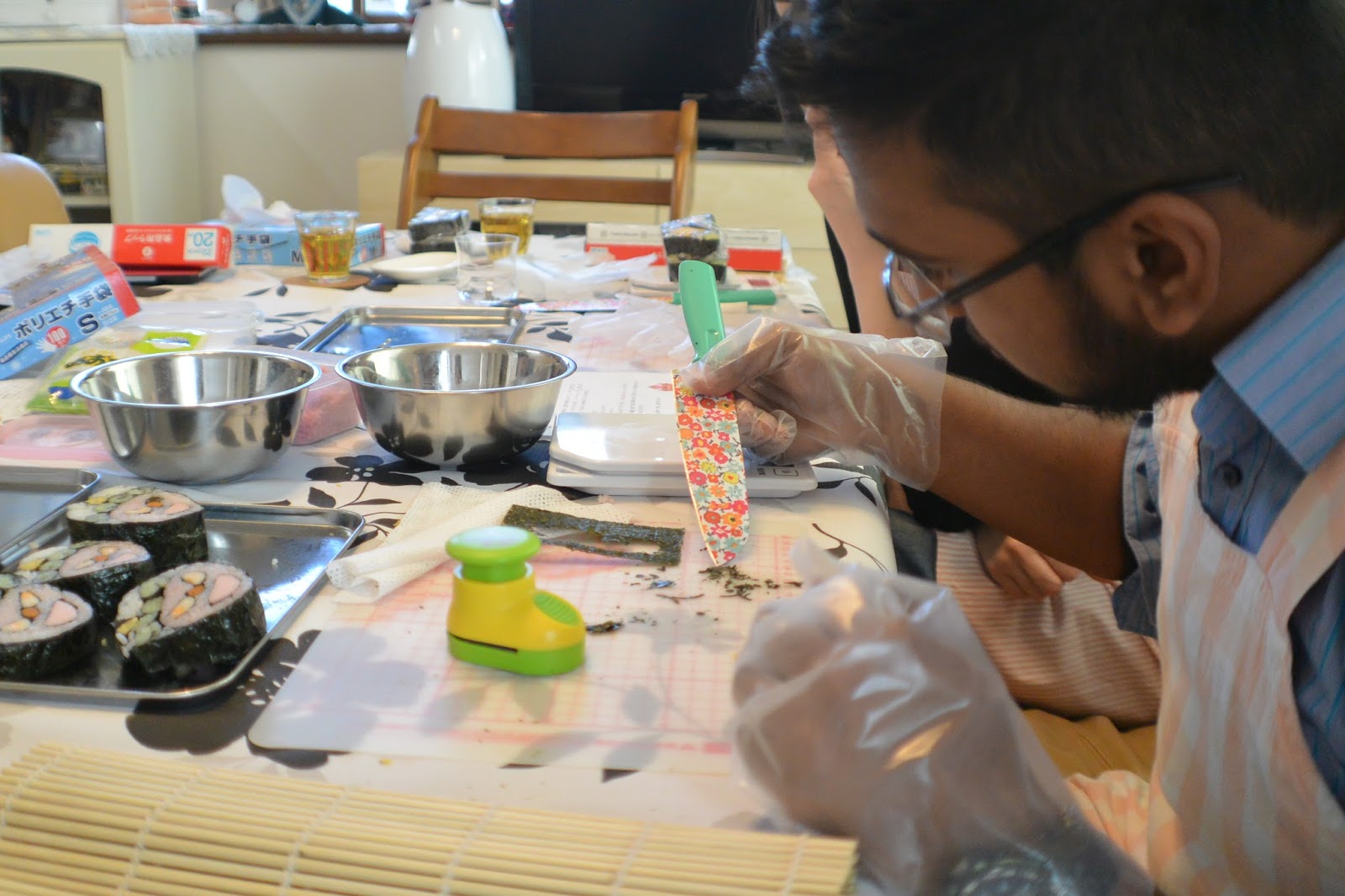
 We made two types of temaki sushi namely, shikkai maki and kooni kun. While my friend from Turkey got to make the shikkai maki, I got to make the kooni kun. Matsuki sensei started first with Selene. The shikkai maki uses sushi rice 140 grams, minced meat, fried egg, three different sizes of edible seaweed along with a cut cucumber piece. After about 15-20 minutes, she was ready with her very own shikkai maki which looked super good, even though, sensei's sushi roll was undoubtedly perfect. After a little photo session with the sushi rolls, I started to make my sushi roll which was kooni maki and when finished looked like a face of a demon. My sushi roll required the use of 240 grams of sushi rice, 3 pieces of fried egg of different sizes, fish sausage, minced meat, green dried seaweed, mayonnaise and 4 different sizes of edible seaweed.

 
The process of making kooni kun involved 4-5 different preparations after which I had to put each preparation on top of another in a particular way and stuck them with rice. After the roll was made, we cut them in the between to give it the demon looking face. I did mess up a bit in the end but sensei helped me out at that time. Not to mention, we had another little photo session after I made my sushi roll.


 I was surprised to learn that I was the first boy student in sushi roll making under Mrs. Matsuki. After the temaki sushi making lesson, we were served tea and some dessert by our sensei. As we munched away our dessert and drank our tea, we talked about how she has started her career as a temaki sushi making teacher. Also, we talked about our cultural traditions of making these kind of rolls during important festivals.

 Sensei also showed us her own calendar which had different pictures of sushi rolls for each month based on that month’s special occasion or flower or fruit.


 After having a pleasant talk with our Sensei, we bid her adieu and proceeded to a nearby craft market which was being held in the nearby shrine of Mutsu Kokubunji.

 At the entrance, we were welcomed by some senior people who were volunteering for that market and wanted to preserve the culture of the area.


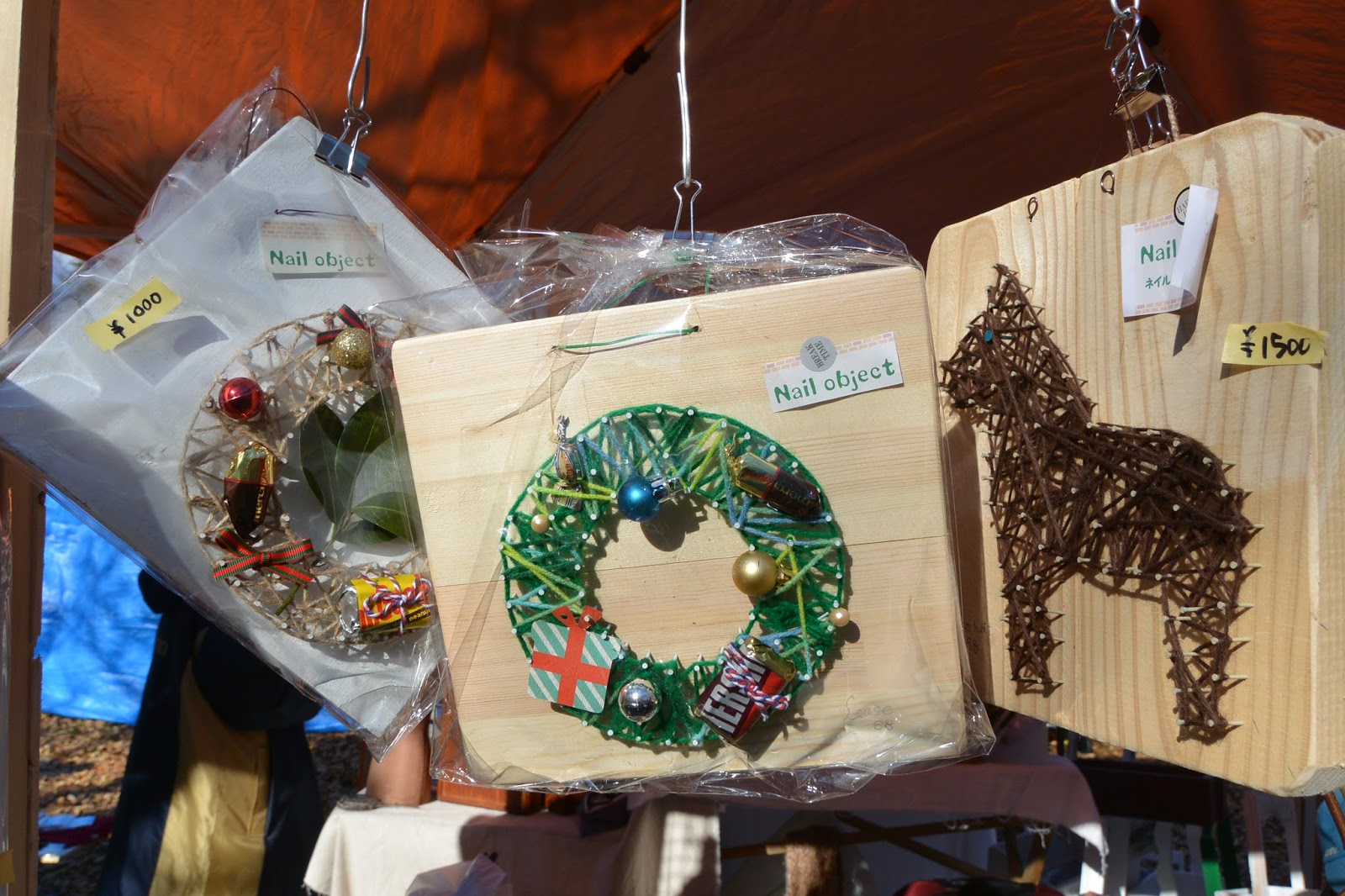
They explained the history of the area and history of the temple of Mutsu Kokubunji and also told us how a great tsunami destroyed the area and left ruins of the temple. There was a craft market in session at the time in which people were selling different kinds of handicrafts including precious ornaments and Christmas themed handicrafts. Lastly, we silently prayed for a few minute before leaving the premises and ending a perfect day of learning and spirituality.


巻き寿司作りと手づくり市


アルナバ・アチャーリャ(インド)

12月の最初の週、トルコ出身のセリンさんと一緒にとても面白い体験をしました。体験は手巻き寿司作りで、手巻き寿司という名前の通り巻かれたお寿司の事です。肌寒い日の朝、私たちは東西線で仙台駅から7分の薬師堂駅で会いました。みんなが揃うと駅からすぐ、5分のところにある松木加奈先生の自宅へ歩いて向かいました。松木先生の自宅は飾り巻き寿司教室も行っています。松木先生に迎えられ中に案内されると、すぐに私たちの手巻き寿司教室が始まりました。

 
私たち二人はこれまでお寿司を作った事がありません。その為、生まれて初めてのお寿司作りはとてもワクワクしました。私たちは「四海巻き」と「子鬼くん」という2種類の手巻き寿司を作りました。トルコの友人は「四海巻き」を作り、私は「子鬼くん」を作りました。松木先生は先ずセリンさんと一緒に作り始めました。四海巻きはすし飯を140グラムおぼろ、玉子焼き、大きさの異なる3枚の海苔、それに加えて、カットされたきゅうりを使いました。セリンさんは約15分から20分でとても上手に四海巻きを作り終えました。先生の見本の巻き寿司は言うまでもなく完璧でした。出来上がった巻き寿司の写真撮影会を少し行った後、私は「子鬼くん」という、出来上がると鬼の顔になる巻き寿司を作りが始まりました。私の巻き寿司に必要な材料は240グラムのすし飯、大きさの異なる玉子焼き3本、魚肉ソーセージ、おぼろ、青のり、マヨネーズと4種類の大きさの異なる海苔です。子鬼君を作る工程は4~5種類のそれぞれ違う下準備をしたものを順番にのせていき、すし飯でくっつけていきました。巻き終わると、子鬼の顔を見出す為に切りわけました。

最後の最後に、少し失敗してしまいましたが、先生が手伝ってくれました。もちろん、私の巻き寿司が出来上がると写真撮影会を行いました。
 

私は松木先生の初めての男性受講者ということに驚きました。
巻き寿司の体験の後、松木先生はお茶とお菓子を用意してくれました。お菓子を食べ、お茶を飲みながら、先生がどのようにして飾り巻き寿司の講師を始めたのかなどを話しました。また、重要なお祭りにおいて私たちの伝統文化にも巻き寿司のようなものがあるのか話をしました。松木先生は月ごとに特別な行事やお花、フルーツなどの異なる巻き寿司の写真が載っている先生オリジナルのカレンダーを見せてくれました。

松木先生と楽しいお話の後お別れをし、先生の自宅と陸奥国分寺近くの手作り市へ向かいました。入り口にはこの一帯の文化財保存を行い手づくり市でボランティアを行っている方々に声を掛けられました。地域の歴史と陸奥国分寺の歴史についてと、どんな大地震がこの地域を襲い、お寺に被害を与えたかを教えてくれました。


そこではちょうど様々な種類の手作り品を販売する、手づくり市が行われていました。素敵な装飾品やクリスマス用品などがありました。私たちは帰る前、最後に静かに少しの間拝みました。学び、スピリチュアルな気分になるには終日最高に素晴らしい日でした。


2017年1月27日金曜日

Kazari Sushi or Sushi Roll Art and Sarma

Reporter: Selin Ozdemir (Turkey)


Today, we were in Matsuki Sensei’s kitchen for to make kazari sushi and spent a blithe-happy day in there.
First of all, we met Arunava and Emi and then went to Matsuki Sensei’s kitchen. Matsuki Sensei welcomed us with beautiful smile. We entered kitchen and waited for to make kazari sushi with pounding heart and great interest. I think foreigner who lives in Japan interested in Japanese foods especially sushi. So I want tell you how to make kazarizushi J though it’s not ordinary sushi, make to it so so enjoyable. Anyway, let’s get down to brass tacks.
Firstly Matsuki sensei brought ingredient for make sushi. it was colorful like palette. Matsuki Sensei also like painter J and then I give you required materials;
 
*Nori (dried pressed laver)
*Cooked rice


It’s main material for sushi and then you can use your liked material for colour. By the way I’m vegetarian and I don’t eat meat, chicken and fish or sea food. So our pretty Sensei instructed me how to make vegetarian sushi. If you are also vegetarian please pay attention to what I’m going to say J and also we used some yukari (for pink), Japanese omelet, cucumber for vegetarian sushi. Matsuki Sensei instructed while showing me and I followed her. Firstly she spread out some of cooked sushi rice over half a sheet of nori, and put on cucumber. (I adding some picture for making it) and rooled it. And then cut the spiral rolls in to quarters, length wise.and put on the middle Japanese omelet. Let’s show the rest with picture.


 .
 And enjoy for meal J
 
By the way, Matsuki Sensei speaks English fluently. So talking with her so so easy. We talked mixed Japanese and English it was so enjoy. That time I felt at my mother home. And sushi exactly like Turkish sarma. Sarma is mean, stuffed grape leaves. We are also rolling it with cooked rice and some spice. And today we made sushi for Setsubun; the day immediately before the beginning of spring (on the traditional Japanese calendar, normally around the beginning of Februry) On the day of Setsubun, Japanese people scatter roasted soybeans to derive out devils, or evil spirits. I think this habit is common all of religion. To scatter to drie out devils is like to stone the Devil (done at Mecca by pilgrims as a part of the hajj) muslim people has also the same habit. To get to the main point, I told that I felt at my mother home today. We are namely Turkish people preparing sarma for religious festival (Ramadan Feast and Feast of Sacrifice) That time we get together with family’s women member and enjoying make sarma. Today i exactly felt myself in Turkey with great people Matsuki Sensei, Emi San and Arunava San. It was nice day. And really, we said together, oh no! What time is it? We were chatting away and we just lost track of time. Again again again I want to say, Matsuki Sensei let me say a few words of thanks for today. She made me feel at my home..
And then came to an end today in there. Second half of the day, we went to Kokubunji Temple/Yakushido to see hand made goods. When entered the temple, there was 4 people to guide about temple. And we are also heard about Kokubunji Temple’s history from them. And then we took a stroll there. I saw decorate flame for wall and I remembered my childhold. I also had made it when i was in elementary school. It was a nostalgic memory suddenly came back to my mind.
 
 
This time I wrote second report. For the writing report we have a good experience in Sendai under Kahoku weekly team’s guidance. For example I didn’t know there is a Sushi instructer who could speak English in Sendai. By the way she said she lived in Canada a while. Today everyone has experience in foreigner country so we told a lot of country and culture, habit of different people. And every day I learn a lot of different thing about Japan, Miyagi and foreigner who lives in Japan. Today I also learned about Indian culture thanks to Arunava San. I think whole world has similarities the all of country.
When come to an end of day, it was a little bit cold and Emi San bought coffe to us. We went to subway while talking about which tried sushi and handmade marketing bazaar. It was really great experience. Together making sushi was so enjoy. また会いたいと思いますJHope to see you soon again.
 

Special Thanks to Art Sushi Roll "Gururin"(http://ameblo.jp/gururin-matsuki/)

飾り寿司とサルマ

セリン・オズデミル(トルコ)

今回、松木先生の教室で飾り巻き寿司を作り、楽しい一日を過ごしました。
最初にアルナバさんと江美さんに会い、松木先生の教室へ向かいました。松木先生は素敵な笑顔で私たちを出迎えてくれました。教室に入り、飾り巻き寿司作りが始まるのを待っている間、期待と興味でワクワクしていました。私が思うには日本に住む外国人は日本食の中でも特にお寿司に興味を持っていると思います。なので、皆さんに飾り巻き寿司がどのようにして作るのかお教えしたいと思います。これはお寿司本来のものではないですが、作るのはとてもとても楽しいです。とにかく、本題に入りましょう。

まず、松木先生はお寿司を作る為の材料を持ってきました。まるでパレットのように色とりどりあり、松木先生は画家であるように思いました。

必要な材料をお教えします。
・海苔
・ごはん
お寿司のメインの材料や色付けとして使う材料は好きな物を使うことが出来ます。
私はベジタリアンで、鶏肉をはじめとするお肉や、魚介類は食べません。このため、松木先生はベジタリアン向けのお寿司の作り方を教えてくれました。もし、皆さんがベジタリアンでしたらこれから述べる事は注目です。ピンクの色付けとしてゆかり、玉子焼き、きゅうりがベジタリアン向けのお寿司の材料です。松木先生はすべての工程を見せてくれ、私は真似するように作っていきました。先ず、すし飯をいくつかにわけ、その半分を海苔にのせ、その上にきゅうりをのせ巻きました。そして、巻いたお寿司を縦4つに切り分け、真ん中に玉子焼きを入れ巻いていきました。写真と一緒にお見せします。


めしあがれ!

ところで、松木先生は英語を上手に話します。なので、先生と話すのはとても気楽でした。
私たちは日本語と英語を交えながら話をしました。それはとても楽しい時間で、まるで母の家にいるかのような気持ちになりました。そして、巻き寿司はトルコのサルマという料理にとても似ています。「サルマ」はぶどうの葉の巻物で、ごはんにスパイスを入れ、巻き寿司と同じように巻いていきます。今回、私たちは節分;立春の前(日本の暦で2月上旬)に向けて巻き寿司を作りました。節分の日、日本人は邪気を払い、鬼を家から出すために煎った大豆をまきます。このような習慣はすべての宗教で行われていると思います。邪気を払うために豆をまくことは「悪魔への投石(ジャマラートの投石)」というイスラム教徒の習慣に似ています。(※メッカ巡礼の際の祭の一つで悪魔や邪悪なものを追い払う意味をもつ)

この日、母の家にいる気分になったのはトルコ人がサルマを作るのは宗教に関するお祭りの時だからです。(ラマダンのお祭り)その時は家族の女性陣が集い、サルマを楽しく一緒に作ります。今日は松木先生、アルナバさんや江美さん、素晴らしい皆といることで、その時のように母国のトルコを感じ、とても良い一日となりました。

そして皆同時に「あぁ!何時だろう?」と言いました。私たちは時間を忘れて話し込んでいました。何度も何度も松木先生に言いたかったのは、今日はありがとうございましたという事です。先生は我が家にいる気分にさせてくれました。

そして、一日も終わりを迎えました。後半は薬師堂、国分寺へ手づくり品を見に行きました。お寺の入り口ではお寺のガイドをしている方が4人いました。私達は国分寺の歴史についてガイドの方々からお話を聞きました。そして手づくり市を散策しました。壁掛けの飾りフレームを見つけ、子どもの頃を思い出しました。小学校の頃、私もつくった事のあるものです。懐かしい思い出が突然思い出されました。


今回で2回目のレポートを書きました。河北ウイークリーチームの案内のもと、仙台の素敵な体験をレポートに書いています。例えば、私は仙台に英語が喋れる巻き寿司の先生がいることを知りませんでした。先生はカナダに住んでいたことがあるそうです。今日ここにいるメンバーは皆、海外で様々な経験をしてきた人たちなので、私たちは沢山の国と文化、様々な国の人々の習慣などを話しました。そして、私は様々な日本のことや、宮城県、日本に住む外国人の事など毎日たくさんの事を学んでいます。今回、私はインドの文化について学びました。アルナバさんありがとう。様々な国では共通する部分があると思います。

一日の終わりが来ると、その日は少し寒かったので、私たちに江美さんはコーヒーを買ってくれました。私達は地下鉄に向かいながら今日の巻き寿司体験や手づくり市について話ました。本当に素晴らしい体験が出来た日でした。一緒に巻き寿司を作ったことはとても楽しかったです。またすぐにみんなに会いたいです。


《取材協力》
飾り巻き寿司教室ぐるりん(http://ameblo.jp/gururin-matsuki/)
お薬師さんの手づくり市
陸奥国分寺薬師堂ガイドボランティア会

2016年12月26日月曜日

Rinno-ji


Reporter: Selin Ozdemir (Turkey)

Do you believe that you’ll go to heaven? If you don’t believe you should go to Rinno-ji. There is a small paradise that can see the worldplace. Yes, there’s certainly a little piece of heaven or we can say it Buddha’s Pure Land. At first sight, I just admiring the beautiful autumn colors end this temple. And I thought;

Oh my heavens!

How nice place!

There’s a photographer’s paradise if you like old temples and autumn with plenty of maple leaves.

Well, where is Rinno-ji Temple?

Rinno-ji Temple is a Buddhist temple in Sendai City, Miyagi Prefecture. It was founded in 1441 by Date Mochimune, namely connected to the Date clan. The temple moved with them wherever they went, and was moved to Sendai in 1602 for the most powerful warlord in Sendai at that time, Date Masamune. Although the temple was destroyed in the 19th century, it has since been reconstructed in its original style. Visitors to Rinnoji's inner gardens can walk along the various paths, admire the koi (carps), the three-storied pagoda and the well tended trees, flowers and plants. There are also several benches for visitors to sit and as they take relax in the scenery. The temple also has events regularly every Saturday there is a Zen meditation session that anyone can join, and once a month there are Shakyo and Shabutsu sessions, which are the transcription of Buddhist sutras in pursuit of enlightenment, which anyone can also join.
So we did J

 
Firstly I met Emi San and Takada San and than picked up Li san from her dormitory. After that we set off for Rinno-ji Temple about 11.00a.m. When we enter here I couldn’t believe my eyes. Is it really this world? Rinno-ji is small temple but it’s looking like has a little spirit.??? We spent a heavenly day in the Rinno-ji temple. I didn't know there’d be great place in Sendai. The entrance of temple was planted colourful trees. That’s just in Koyo season. It’s known that Koyo 紅葉 is a typical colourful Japanese Autumn.
 And I should tell you that if you are natural lover’s paradise Rinno-ji temple is the best place for to see colorful autumn leaves in Sendai. Anyway, after we entered into the front of the temple and then Tanaka San paid 300¥each of us for entrance fee. When entering to the temple, you encountering invaluable heavenly beautiful scenery. Really you fell Alice in wonderland. There is also stopping stones and bridges, the three storied pagoda, and stone statuary, the well tended trees and wonderful autumn leaves, and circle central ponds filled with friendly Koi (Japanese carp). Unfortunately, we didn’t have a bait for pretty Koi and couldn’t feed them. And then taking photo, walked for a while around the temple. Rinno-ji temple is just the right the perfect to blow off steam. Walk a bit and cross a small arched bridge to reach it. A tea house, Buddhist cemetery and tombs of relatives of the Date clan are also at the temple. After then a bit spent time. I told regularly once in a month copying of Lotus Sutra in Rinnoji. You can experience to Shakyou 写経 (hand-copying of a Buddhist Sutras) with it you can get it Goshuin 御朱印 in Rinno-ji.  A Goushuin is a seal stamp given to wordshippers and visitors to Shinto shrines and Buddhist temples in Japan. The seal stamps are often collected in books called Goshuin-cho 御朱印帳that are sold at shrines and temples. And you paying just 300 to 500¥ in Rinno-ji temple.

A similar praxis, Muslims and also Turkish people used to believe that ''Seal of Prophethood'' on the back of the cross of our Lord Muhammad's two paddles''. Seal of Prophets signifies that the intermediation between of Allah and His worshippers had come to an end. So sometimes (it's not common like that Goshuin but) at the end of praying in mosque, seal's copy hand out the Muslims.

Finally, we were going to copy Lotus Sutra. In fact I tried on a few times to copying Lotus Sutra. By the way I’m studying about Buddhist art history so love go to temple, Buddhist statue, calligraphy etc. we entered Japanese style room Zashiki 座敷 for copying Lotus Sutra. Young Obosan met us and guided kindly instructed about copying Lotus Sutra. It was so enjoyable. But I have to confess I’m bad at writing kanji J and unfortunately we arrived at the end of the day. Colourful leaves ‘’Koyo’’ are to the Japanese autumn what cherry blossoms are to spring. The viewing of autumn leaves has been a popular activity in Japan as a traditionally event and today visit a lot of travellers especially foreigner to famous Koyo scenery both in the Japan. I’m also love taking photo Momijigari 紅葉狩り(go to see colourful autumn leaves) and Hanami 花見(cherry-blossom viewing picnic)

In the end I could tell it was a wonderful day which ever in Japan. Please come to Miyagi next autumn and enjoy Momijigari or Hanami J
 
 
輪王寺

リポター:オズデミル セリン(トルコ)

天国に行くなんてこと信じられますか?もし、信じられないようならば輪王寺に行ってみてください。そこは世界的な場所が見ることができる小さなパラダイスです。そこは間違いなく小さな天国か、仏陀の地のような場所です。最初に目に入ったのが、惚れ惚れするような美しい秋の彩と寺院です。私は、「あぁ、天国のようだ!」「なんて素敵な場所だろう!」と思いました。

もし、たくさんのモミジの葉と歴史的な寺院が好きならば、輪王寺は写真を撮る人たちにとってはパラダイスです。

輪王寺はどこにあるのでしょうか?

輪王寺は宮城県仙台市にある仏教のお寺です。伊達家の伊達持宗よって1944年に設立されました。輪王寺は伊達家が居城を変えると共に一緒に移りました。当時、仙台の最大勢力であった伊達政宗によって1602年に仙台へと移されました。しかし、お寺は19世紀に焼失しましたが、以前のように復元されました。輪王寺に訪れる人は中の庭園の様々な細道を歩く事が出来ます。感心したのは鯉や三重塔と、綺麗に手入れのされている木々や花々などの植木です。庭には訪れた人向けにいくつかベンチもあり、素晴らしい景観に囲まれ、くつろげます。お寺は毎週土曜日に誰でも参加できる通例イベントの座禅会があります。また、悟りを追及する為にお経を写す、写経会や写仏会を月に一度行っています。それもまた誰でも参加する事ができます。そこで私たちも参加してみました。

最初に江美さんと髙田さんに会い、寮へリさんを迎えに行き、11時に輪王寺へ向かいました。輪王寺に入ると目を疑いました。本当にこの世の物なの?輪王寺は小さなお寺ですがそれはまるで小さな魂が宿っているように見えました。私たちは輪王寺で素晴らしい一日を過ごしました。私は仙台にこのような素晴らしい場所があるという事を知りませんでした。境内の入り口には色とりどりの木々が植えられていました。まさに紅葉の季節です。紅葉は色鮮やかな日本の秋を象徴することで知られています。もし、自然が好きな人ならば、仙台で色鮮やかな秋の紅葉を見るにはパラダイスのような輪王寺が一番だと伝えたいです。高田さんが入場料として300円を私たちの分も払ってくれ、お寺の正面より中に入りました。皆さんも境内に入れば、はかり知れない程素晴らしく美しい眺めがそこにはあり、不思議な国のアリスの気持ちになります。庭には飛び石や橋もあり、三重塔や石像もありました。手入れのされた木々や紅葉と中央には丸い池にたくさんの人懐っこい鯉がいました。残念ながら、私たちは可愛い鯉へのエサは持っておらず、エサをあげることができませんでした。写真を撮り、境内をすべて回ってみました。輪王寺は憂さ晴らしをするには最適な場所です。少し歩き小さなアーチ形の橋を渡り進むと茶室や仏教墓地、伊達家の親族の墓などが境内にありました。通常月に一度、輪王寺で行われる写経があると述べたように、皆さんも写経を体験する事が出来、輪王寺の御朱印をもらうことができます。御朱印は日本の神社やお寺を訪れた人や参拝者がもらえる印のことです。神社やお寺で売られている御朱印を集めるための本を御朱印帳と言います。輪王寺では御朱印代として300円を支払います。

私の国の文化にも同じような習慣があります。イスラム教徒やトルコの人は昔、ムハンマド(イスラム教の預言者)が生まれた時から背中にある”預言者の証のような印”を信仰していました。預言者の印は神と崇拝者、両者を繋ぐ役割がありました。御朱印と意味は同じではありませんが、御朱印のように、お祈りをした後のモスク(※イスラム教の礼拝堂)でこの印のコピーをイスラム教徒の人々に配っていました。

 
ようやく写経の時間となりました。実は私は何度か写経体験をしたことがあります。余談ですが、私は仏教美術史を専攻しているので、お寺に行く事や、仏像、書道などが大好きです。写経の為に日本式の部屋、座敷に入ると若いお坊さんが写経のやり方を教えてくれました。写経はとても面白いものですが、伝えなくてはいけないことは…私は漢字を書くのが苦手ということです。そして、残念なことに一日の終わりを迎えました。色鮮やかな葉の紅葉は日本の秋をあらわし、桜は春をあらわします。秋の紅葉を眺める事は日本において人気のある伝統的な行楽行事であり、今日では紅葉狩りは観光客が多く訪れ、特に外国人の間でも有名となり訪れる人がたくさんいます。私も紅葉狩りやお花見の写真を撮る事が大好きです。
 

最後に、日本で過ごしてきた中で素晴らしい一日であった事を伝えたいです。是非、来年の秋に宮城に来て、紅葉や花見を楽しんでもらいたいです。

2016年12月20日火曜日

experience Sutra copying


Reporter: Li Ying(China)

This time Takada San invited Selin chan and me to visit the Rinno-ji Temple, enjoy the beauty of red leaves and experience Sutra copying.

 For Rinno-ji Temple, I knew it is just located near my dormitory in Sanjo but have never been there. So when I first reached the Rinno-ji, I was really surprised by the great area it covers and the amazing beauty of the red leaves, silent and long stairs and so on.

From the paper Yokoda San gave me, I knew that Rinno-ji Temple actually have moved for several times coming with the change of Date clan. Around the 17th generation, Rinno-ji Temple was moved to its current location in Sendai and endured destruction and reconstruction during the following years. And at the time of reconstruction, great effort was put into building the garden, making it become one of the most famous gardens in the Tohoku region.

After visiting the temple grounds, Takada San let us go into the garden to enjoy it. Just at the moment when I stepped into the garden, I was so amazed at the scene that I couldn’t help to praising it. I had never imagined that in this hidden place there should be such a beautiful and delicate garden! As there’s a long time before the preservation of Sutra copying, we took a long walk around the garden enjoying the beauty closely.

Although it was autumn, many plants stayed green while others turned red. It was really an enjoyment to see the two colors add radiance and beauty to each other. As we went in, we found that there was a small but clear river flowing slowly with a lot of colorful chubby carps swimming freely in it. Selin chan told me that the color of the carps would gradually turn to grey with the coming of winter, which made me very surprised. When we go closer to have a look of these lovely fish, they also swam quickly to us! Yokoda san said that they must be very disappointed as we brought nothing to feed them and we all laughed at that. I even tried to put my finger in the water to see whether they would mistake that with delicious food. To my great joy, they really did! That’s so interesting! We also found a delicate Kyoto-type niwa(庭) which I liked so much that I took many photos of it.
 
 
As the preservation time gradually approached, we went to the tea room to experience the sutra copying. At the waiting time, Takada san gave each of us sutra with the Rinno-ji’s Goshuin on it. Goshuin is a stamp that we were given when offering a sutra. Each temple and shrine has different stamps. Takada san also told us that nowadays collecting Goshuin at different temples is becoming a very famous action among Japanese people. I agreed with that very much because when I was traveling in Asakusa-ji in Tokyo, I saw many tourists lining up with a sutra in their hand to get the Goshuin. I thought it was a really meaningful habit and already decided to start collecting it during my trip to Kyoto in Christmas holiday!
 

After that we were led by one monk to a room to experience the Sutra copying which I learnt from the information that it is an East Asian practice of hand-copying Buddhist sutras. It is considered a merit in Buddhism and an expression of piety since it comprises worship, literature and calligraphy. As for calligraphy, although it was originated from China and I had practiced it for one year when I was in primary school; I could hardly memorize the way to write it about 10 year later. So when I copied the first word on it, my hand trembled so much that I couldn’t write it as fluently as I write kanji characters by pen. At that time Takada san asked the monk san whether there is any way to make it easy. The monk san told us just to calm down and concentrate in it. So I had a deep breathing and kept on the copying. Bit by bit, I found I kind of got some point and could write it smoothly! From the words of Buddhism, I also felt a power to make me calm down. As I was really deep in it, I didn’t notice the passing time and just completed half in the end. When I looked Selin chan’s works, I was really amazed at seeing that she did such a good job as she had learnt kanji for only 2 years.

Finishing the Sutra copying, this 写経体験 also approached to the end. As we stepped out of the tearoom talking about this joyful experience, we were all surprised at finding an elder man feeding three lovely alpacas! Unable to hold my curiosity, I went in to have a close look at them. The elder man gave all of his apple skin to me as he found I was so eager to touch them. I took it thankfully and feed them under the guide of him. He told me that they are very kind and clever; just put the apple skin near their mouth would be OK. Then I tried as he said, picking a peel of apple skin and put it near the mouth of one alpaca. She looked at me full of love and ate it quickly. She even sucked my finger to eat the one she didn’t get at the first time; the touch was really amazing! When I gave out all the apple peal, the one who didn’t get shouted loudly to show his grievance. Although the elder man comforted him that he would bring him food tomorrow, he still felt not happy, which made him really lovely!

From this写経体験, I really had much of fun by appreciating the hidden beauty of the garden, experiencing the Buddhist mood and keeping close to the nature. I think I’ll come here again in winter or next spring to enjoy the beauty of different seasons!


輪王寺で写経体験

リポーター:リ イン(中国)

今回、髙田さんはセリンちゃんを招待し、私たちは輪王寺へ訪れ、紅葉の美しさと写経の体験を満喫しました。
輪王寺が三条町にある私の寮の近くにあるのを知っていましたが、一度も行ったことがありませんでした。まず輪王寺に着くと、とても美しい紅葉に囲まれた素晴らしい空間と、静かに佇む長い階段に驚きました。
横田さんがくれた紙で輪王寺は伊達家の居城が変わるたびに何度か引っ越しをしていたことを知りました。17世紀頃、輪王寺は仙台の現在の場所に引っ越しました。崩壊に耐え、再建されました。その際に多大な努力で庭園も造り、そして東北地方で有名な庭園の一つとなりました。


境内に着くと、高田さんが庭園を楽しむため、中に入るのを促しました。庭園の中に踏み込んだ瞬間、私はその素晴らしい光景に称賛せざるを得ませんでした。
隠れた場所に、こんなにも美しく繊細な庭園があるなんて、これまで想像もしていませんでした!私たちは美しい庭園内の長い道のりを楽しみました。

秋とはいえ、たくさんの植物が緑のままでしたが、その他の植物は紅葉していました。このそれぞれの美しく輝く2色の組み合わせを見るのは本当にうれしいものでした。歩き進むと、そこには小さいながらも澄んだ川がゆっくりと流れており、そこにはたくさんの色鮮やかな丸々と太った鯉が自由に泳いでいました。セリンちゃんが鯉の色は冬が近づくにつれ、徐々に灰色に変わると教えてくれました。そのことに私はとても驚きました。もっと近くで見ようと愛らしい鯉に近づくと、鯉は素早く私たちの元へ泳いできました。横田さんは、鯉は私たちがエサになるものを何も持ってきていないことに、がっかりしていると言い、みんなで笑いました。私が指を水面に近づけると、鯉たちはそれを美味しいエサだと勘違いをしていました。このおふざけに鯉たちは本当にがっかりしているようで、とても面白かったです!私の大好きな上品で美しい京都のような枯山水も見つけ、たくさんの写真を撮りました。
 
残りの時間が徐々に近づき、写経体験のため茶の間へ行きました。待っている間、髙田さんは輪王寺の御朱印が押された御朱印帳を私たちにそれぞれ渡してくれました。御朱印はスタンプ(印)で、写経を申し込んだときに御朱印帳をお寺に渡しました。お寺や神社でそれぞれ異なる御朱印があり、近年、異なる御朱印を収集することが日本人の間で有名になってきていると高田さんが話してくれました。私はそれにとても納得がいきました。なぜなら、私が東京の浅草寺へ旅行に行った際に、たくさんの旅行者が御朱印をもらうために手にお経を持って列を作っているのを見かけたからです
私は、御朱印収集はとても意味のある趣味だと思ったと共に、私もクリスマス休暇に京都旅行へ行くときに御朱印収集を始めようと決めました。

その後、一人の和尚に案内され、東アジアで行われている写経体験の部屋へ向かいました。
写経体験は仏教や文芸、書道など崇拝する上での価値を見つめる敬虔な様子を表現できるものです。
  書道の起源は中国ですが、私は小学校の時に1年間練習をしたことがあります。約10年たった今、どのように書いていくのか思い出すのが難しかったです。最初の文字を写したとき、私の手はとても震えていました。ペンで書く漢字のようにスラスラと書くことが出来ませんでした。  髙田さんは和尚に何か簡単に書ける方法はないかと聞いていました。和尚は落ち着いた気持ちで集中して書くよう私たちに話されました。
私は深呼吸をし、写経を続けました。少しずつ少しずつ、スムーズに書く方法とポイントがわかってきました!仏教の言葉に心が落ち着くためのパワーを感じました。
夢中になって進めていると、時間がどれほど経ったのか気が付きませんでした。まだ半分までしか書きあがっていませんでした。
セリンちゃんの写経を見たとき、漢字を勉強してまだ2年にも関わらず、あんなにも上手に書けることに本当に驚きました。


写経が終わると、この写経体験も終わりが近づきました。この楽しい体験の話をしながら茶の間を出ました。3頭の可愛らしいロバにエサを与えている男性を見つけたとき、私たちは驚きました。私の好奇心は止めることが出来ず、近くで見るためにロバに近づきました。男性は持っていたリンゴの皮を全部私にくれ、ロバに簡単に触れました。リンゴの皮をありがたく受け取ると、男性に教えてもらいながらエサをやりました。
男性が言うにはロバたちはとても優しく、頭が良いので、ロバたちの口元にリンゴの皮を向ければ大丈夫と教えてくれました。男性が言うようにリンゴの皮をとり、1匹のロバの口元に近づけました。ロバは愛おしいものを見るように私を見つめ、すぐにリンゴの皮を食べてしまいました。ロバは食べる時に私の指まで食べてしまいましたが、他のロバは
触り心地は素晴らしく、すべてのリンゴの皮を与え終えると一つも食べられなかったロバが大きな声で鳴き 男性がそのロバに明日エサを持ってくると約束をしていましたが、食べられなかったロバは納得していないようでしたが、その様子がとても愛らしく見えました。

この写経体験は、隠れた美しい庭園に気付け本当にとても楽しかったです。仏教の雰囲気と、自然を肌で感じる体験ができました。冬や来春にまた輪王寺を訪れ、異なる季節の四季の美しさを楽しみたいです。